Introduction Polycystic Ovary Syndrome (PCOS) is a common disorder that affects millions of women worldwide. Certain symptoms like irregular periods and excess estrogen levels characterize it. The main side effect of PCOS is weight gain and it isn’t easy to lose weight in PCOS. However medical treatment and some lifestyle changes are crucial for managing PCOS, like regular exercise is one of the effective ways for improving physical as well as mental health. This blog explores the benefits of exercise during PCOS and consults the best gynecologist in Jaipur. Helps Manage Weight Most women with PCOS struggle with weight gain. Regular exercise helps maintain body weight and keeps them physically and mentally active. It also helps build lean muscles. Improves Insulin Sensitivity PCOS increases the chance of type-2 diabetes. Exercise enhances insulin sensitivity by helping muscles absorb glucose effectively. Both aerobic and resistance training result in lower levels of sugar and improved insulin sensitivity. Boosts Mental Health Women who are suffering from PCOS have more chances of having stress, anxiety, depression, and mood swings due to hormonal fluctuations. Exercise plays a crucial role in regulating stress and improves the quality of sleep. Regulates Menstrual Cycles Hormonal imbalances cause Irregular periods, the main symptoms of PCOS. Regular exercise can normalize menstrual cycles by regulating hormones. Regular exercise achieves a combination of weight loss and hormonal stability. Supports Hormonal Balance One of the primary benefits of exercise for women with PCOS is its ability to regulate hormones. Physical activity can lower levels of excess androgens (male hormones) that cause symptoms like acne, hirsutism (excess hair growth), and scalp hair thinning. Furthermore, regular workouts help balance estrogen and progesterone, which are crucial for reproductive health. Enhances Fertility For women with PCOS who are trying to conceive, exercise can significantly improve fertility by addressing key underlying issues such as weight, insulin resistance, and irregular ovulation. Combined with a balanced diet and medical guidance, a structured exercise routine can make conception more likely and support a healthy pregnancy. Creating an Effective Exercise Plan for PCOS While exercise is beneficial, it’s important to tailor the routine to individual needs and fitness levels. Here are some tips: Start Slowly: Begin with light activities like walking or yoga and gradually increase intensity. Mix It Up: Incorporate a combination of cardio, strength training, and flexibility exercises to target different aspects of health. Stay Consistent: Aim for at least 150 minutes of moderate exercise or 75 minutes of intense exercise per week. Listen to Your Body: Rest when needed, and avoid overtraining, which can elevate stress levels and worsen symptoms. Seek Professional Guidance: Consider consulting a fitness trainer or physical therapist experienced in managing PCOS. You have to look for the best multispecialist hospital in Jaipur. Final Thoughts For managing PCOS, regular exercise is important for hormonal balance. It is a powerful tool for regulating stress and maintaining good health. Also, it can help in reducing weight, especially in PCOS. If you are suffering from symptoms that are an indication of PCOS then you have to consult a gynecologist hospital in Jaipur.
Introduction The endocrine system plays a vital role in maintaining the body’s internal balance by regulating hormones that influence everything from growth and metabolism to mood and reproductive health. If the endocrine system does not work properly then it can cause certain problems and affect the health of the body. It is important to understand the functioning of the endocrine system. In this guide, we will discuss the functions of the endocrine system. Saket Hospital offers the best endocrinologist specialist in Jaipur. Understanding the Endocrine System and Its Importance Pituitary Gland- It is known as the “master gland” because it controls growth, blood pressure, and other functions of the body. Thyroid Gland- It regulates metabolism, and energy and maintains the balance of calcium in the body. Adrenal Gland- It controls stress levels and responses for metabolism. Pancreas- It is responsible for controlling blood sugar levels by producing insulin and glucagon. o Signs of Potential Endocrine Issues Fatigue- You feel tired after every work. This may point to having thyroid issues. Weight Fluctuations- Unexplained weight gain or loss could indicate thyroid or insulin imbalances. Mood Swings and Anxiety- Hormone fluctuations can affect emotional health. Changes in Skin and Hair- Dry Skin, hair loss, and acne are the cause of hormonal imbalance. Consequences of a Dysfunctional Endocrine System Hypothyroidism and Hyperthyroidism Thyroid disorders are the most common endocrine problems and occur when the thyroid gland produces too little hypothyroidism or too much hyperthyroidism thyroid hormone. Hypothyroidism This results in a slow metabolism that causes weight gain, fatigue, and depression. Hyperthyroidism It causes accelerated metabolism that results in weight loss, rapid heartbeat, and anxiety. Health Risks Untreated Thyroid Disorders can lead to heart problems, mental health issues, and in severe conditions thyroid storm. Polycystic Ovary Syndrome (PCOS) PCOS is an imbalance in reproductive hormones and results in irregular periods. Symptoms Irregular menstrual cycles, acne, excess hair loss, and weight gain. Health Risk If left untreated, it can cause certain serious issues like dehydration, low blood pressure, and shock. Growth Disorders Abnormalities in the pituitary gland can cause certain growth disorders. Gigantism Excessive growth hormone in children leads to abnormal large stature. Acromegaly This is seen in adults when there is excessive growth of hormones in the body of adults that causes enlarged hands, feet, and facial features. Dwarfish Insufficient growth hormone production leads to development issues. Causes of Endocrine System Dysfunction Several factors can disrupt the endocrine system, causing it to produce too much or too little hormone. Some of the key causes include: Genetic Factors Many endocrine disorders are hereditary, meaning they can be passed down through family lines. For instance, autoimmune conditions like Hashimoto’s thyroiditis and type 1 diabetes often have genetic links. Autoimmune Disorders In autoimmune conditions, the immune system mistakenly attacks the body’s tissues, including glands. For example, autoimmune attacks on the thyroid can cause Hashimoto’s disease, while attacks on insulin-producing cells lead to type 1 diabetes. Tumors and Cysts Non-cancerous and cancerous tumors or cysts on endocrine glands can disrupt hormone production. For example, a pituitary tumor can alter the gland’s production of growth hormones, leading to conditions like acromegaly. Lifestyle and Environmental Factors Poor diet, lack of exercise, and exposure to endocrine-disrupting chemicals (like pesticides, plastics, and certain cosmetics) can negatively affect hormone production and balance. Diagnosing and Treating Endocrine Disorders Diagnostic Methods Diagnosing endocrine disorders typically involves: Blood Tests: Measure hormone levels, including insulin, thyroid hormones, cortisol, and sex hormones. Urine Tests: Especially useful in checking adrenal function. Imaging: CT scans, MRIs, and ultrasounds can detect tumors, cysts, or abnormalities in gland size. Biopsy: In cases of suspected tumors, a biopsy may be done to examine glandular tissue. Managing and Preventing Endocrine Disorders While not all endocrine disorders can be prevented, lifestyle changes can reduce the risk of developing some of them. You can find an endocrinologist doctor in Jaipur. Healthy Diet: Emphasize whole foods, reduce sugar intake, and avoid excessive consumption of processed foods to support metabolic health. Regular Exercise: Helps regulate blood sugar, manage weight, and reduce the risk of hormone-related conditions. Stress Management: Chronic stress increases cortisol production, which can disrupt hormonal balance. Meditation, deep breathing exercises, and yoga can help. Routine Checkups: Regular blood work and physical exams can detect imbalances early, making them easier to manage or treat. Conclusion When the endocrine system does not function then it may cause some health-related issues such as thyroid problems, diabetes, and many other diseases. With awareness, regular check-ups, and a proactive approach to lifestyle, many endocrine disorders can be managed or prevented. Always consult with a healthcare professional if you experience symptoms like fatigue, unexplained weight changes, or mood swings, as these could signal a hormone imbalance. The sooner you address endocrine issues, the easier it becomes to maintain overall health and well-being. Saket Hospital is a multispeciality hospital in Jaipur
Introduction In the fast-paced environment, the practice of smoking and drinking alcohol among women is common but this is harmful as it impacts women’s reproductive health which affects fertility, pregnancy outcomes, and long-term reproductive health. It is important to identify these problems in the early stages so that they can be treated well. Understanding these effects is essential for making informed decisions about health and lifestyle. This blog explores the specific impact of smoking and alcohol on women’s reproductive health and gynecologists in Jaipur. The Impact of Smoking on Women’s Reproductive Health Infertility- Smoking can decrease fertility in women which makes it more challenging to conceive. The chemicals of tobacco can damage the ovaries, reducing the quality and quantity of eggs. Miscarriage- Smoking can increase the chances of miscarriage as the harmful chemicals of tobacco can damage the developing fetus. Premature Birth- Smoking can cause premature birth of the child. Moreover, it can give rise to health complications. Low Birth weight- If women will smoke during pregnancy then it will impact the weight of the newborn child. The weight of the child is low and causes health-related problems. Menstrual Irregularities- Smoking can disrupt the menstrual cycle leading to menstrual irregularities and severe pain in the lower abdomen and also cause heavy bleeding. Alcohol and Reproductive Health Fertility and Alcohol- Like Smoking, alcohol can negatively affect a woman’s ability to conceive. Even moderate drinking can cause serious issues that include- Hormonal Imbalance—Alcohol can affect the production of hormones like luteinizing and follicle-stimulating hormones. Both are responsible for egg maturation and ovulation. Reduced Egg Quality—Chronic Alcohol can be associated with oxirane stress in ovarian cells, which affects the quality of the egg. Irregular Menstrual Cycle- Excessive use of alcohol can cause irregular periods or even stop menstruation altogether. Alcohol During Pregnancy Stillbirth- Heavy alcohol can cause stillbirth, particularly in the third trimester. Miscarriage- Alcohol can increase the risk of miscarriage. Development Delays- Even light to moderate drinking levels of alcohol can affect the baby’s brain development, resulting in long-term behavioral and cognitive issues. Alcohol and Reproductive Health Polycystic Ovary Syndrome (PCOS)- Alcohol can give rise to certain problems like PCOS which is characterized by high levels of male hormones and irregular ovulation. Increased Risk of Breast Cancer- Excessive consumption has been linked to higher levels of circulating estrogen that can cause breast cancer. Steps Toward Better Reproductive Health Quit Smoking- Certain programs like nicotine replacement therapy (NRT) can help stop smoking. Adopt Healthy Habits- Practice regular exercise and eat a balanced diet that promotes good health. Limit Alcohol Consumption Follow Guidelines- Stick to the recommended guidelines of having one drink per day for women or avoid it entirely if you are trying to conceive. Opt for Alternatives- Replace alcohol with healthy drinks like cocktails or mocktails during social gatherings. Regular Health Check-Ups Monitor Reproductive Health- You can visit the multispeciality hospital in Jaipur for regular health check-ups. Fertility Assessment- Women who are planning to conceive should consult a fertility specialist. Long-Term Reproductive and General Health Implications Early Menopause- Smokers are at a higher risk of entering menopause in the early stages which can cause certain health issues. Increased Risk of Gynecological Cancer- Smoking and excessive use of alcohol can cause the risk of cervical and ovarian cancers. Combined Effects of Smoking and Alcohol When smoking and alcohol use occur together, the impact on reproductive health can be even more severe. These substances can act synergistically to amplify damage to reproductive organs, hormones, and overall fertility. Key combined effects include: Greater DNA Damage: The toxins from smoking and the oxidative stress from alcohol together exacerbate cellular damage in eggs. Higher Risk of Miscarriage: Women who both smoke and drink during pregnancy are at a significantly higher risk of pregnancy loss. Impaired IVF Success: Women undergoing fertility treatments, such as in-vitro fertilization (IVF), experience lower success rates if they smoke and consume alcohol. Conclusion Smoking and Alcohol can badly affect the reproductive health of the women. These lifestyle habits disrupt hormonal balance, reduce fertility, and increase the risks of complications such as miscarriage, preterm birth, and fetal developmental issues. Moreover, the combined effects of smoking and drinking amplify the damage, leaving a lasting imprint on both reproductive and overall health. However, the good news is that many of these adverse effects can be mitigated or even reversed by making healthier lifestyle choices. Quitting smoking, reducing alcohol consumption, and seeking professional guidance can significantly improve reproductive outcomes and overall well-being. By prioritizing a healthier lifestyle, women not only enhance their fertility and pregnancy prospects but also invest in their long-term health and quality of life. If you are experiencing these problems, then you should find the best hospital in Jaipur.
Introduction Childhood is a period of the growth and development of a child but it also exposes that during childhood, children face many health problems. It is crucial to understand their symptoms, and transmission to prevent them. Some of the most common diseases are urinary tract infections, skin infections, common colds, and chickenpox. Jaipur is a vibrant city known for its culture and the best pediatricians. Each of these illnesses has distinguished characteristics and it is important to know to ensure the child’s well-being. In this blog, we will explore common childhood diseases and also know how to prevent them.Saket offers best pediatric doctor in Jaipur. Urinary Tract Infection t is an infection that occurs in any part of the urinary system including the kidneys, uterus, and bladder. It affects the lower urinary tract, especially in the bladder and urethra. It can be seen in both men and women and also in children. Symptoms of Urinary Tract Infections Pain or discomfort during urination. Passing a small amount of urine. Pain can be felt in the lower abdomen. A burning sensation can be felt during urination. Causes Infection of the Bladder It is caused by the bacteria which is known as Escherichia coil which is found in the gastrointestinal tract. Infection of the Urethra This infection is caused when bacteria are spread from the anus to the urethra. Methods of Prevention Drink plenty of water Drinking a sufficient amount of water helps dilute the urine. This leads to urination more often allowing flushing the bacteria from the urinary tract which reduces the chances of infection. Drink Cranberry Juice Cranberry Juice is the best way to prevent urinary tract infections. Wipe from Front to Back Do this after urination and after a bowel moment. It helps in the prevention of bacteria from the anus to the vagina and urethra. Chickenpox Chickenpox is caused by the varicella-zoster virus. It is generally mild in children. It can lead to certain complications. Symptoms Red rashes can be seen on the face, and back and spread on the rest of the body. High- fever and fatigue Itching and fluid-filled blisters can be found on the body of an affected person. Prevention Vaccination Vaccination is the best way to prevent chickenpox. The vaccine can be given in two doses. The first dose can be taken at 12-15 months of age and the second dose will be taken at the age of 4-6 years of age. You can also ensure that your child have full body checkup in Jaipur. Maintain Good Hygiene Practices Ensure regular washing of hands to reduce the spread of gems and also teach your children not to share personal items like towels. Boosts Immunity Take a healthy diet that is filled with lots of nutrients and proteins so that your body can fight off the infection. Skin Infection Skin Infection can be caused by a variety of bacteria, and fungi. Some of the infections are mild and dissolve on their own. But others require medical treatment. Symptoms of Skin Infection Red scars can be found on the face, neck, and around the body. Itching in the body. Red, swollen skin can be seen in the affected person. Prevention Keep Skin Dry and Clean Keep your skin dry and clean to prevent bacterial and fungal infections. Prompt Treatment of Cut and Wounds Frequently clean your cut and wound to prevent infection. Avoid Sharing of Personal Items Do not share personal items like towels, or soaps that could transmit infections. Hand, Foot and Mouth Diseases (HFMD) Hand, Foot, and Mouth Disease is a viral illness that is caused by several types of enteroviruses and mainly affects children of 5 years. Symptoms Red rashes in the hand. High Fever Sore throat Methods of Prevention Drink plenty of liquid to prevent dehydration. You can use pain relievers such as Ibuprofen. Ear Infection Ear Infection can be caused when the fluids build up in the middle ear. Symptoms Pain persists in the ear. Difficulty in hearing Fever Treatment Antibiotics can be given to reduce the pain. Warm encompasses to reduce discomfort.Stomach Flu is the swelling of the stomach Stomach Flu which is caused by viral infections. It can lead to diarrhoea and vomiting which can quickly cause dehydration among children. Symptoms Pain in the stomach Dehydration Vomiting Diarrhea Treatment Drink plenty of water to remain hydrated. Oral rehydration solutions. Whooping Cough Whooping Cough is caused by bacterial infection. It is very dangerous for infants which leads to difficulty in breathing. Symptoms Low-grade fever seen in early stages. Vomiting is often caused by a whopping cough. Strep Throat Strep Throat is caused by the bacteria named Streptococcus pyogenes. It is most commonly seen in school-going children and leads to complications if left untreated. Symptoms Stomach pain and fever Sore throat and difficulty swallowing Conclusion Understanding and recognizing these eight common childhood diseases is crucial to ensure prompt treatment and prevention of the spread of these infections. Saket is the best hospital in Jaipur for the procurement of these childhood diseases.
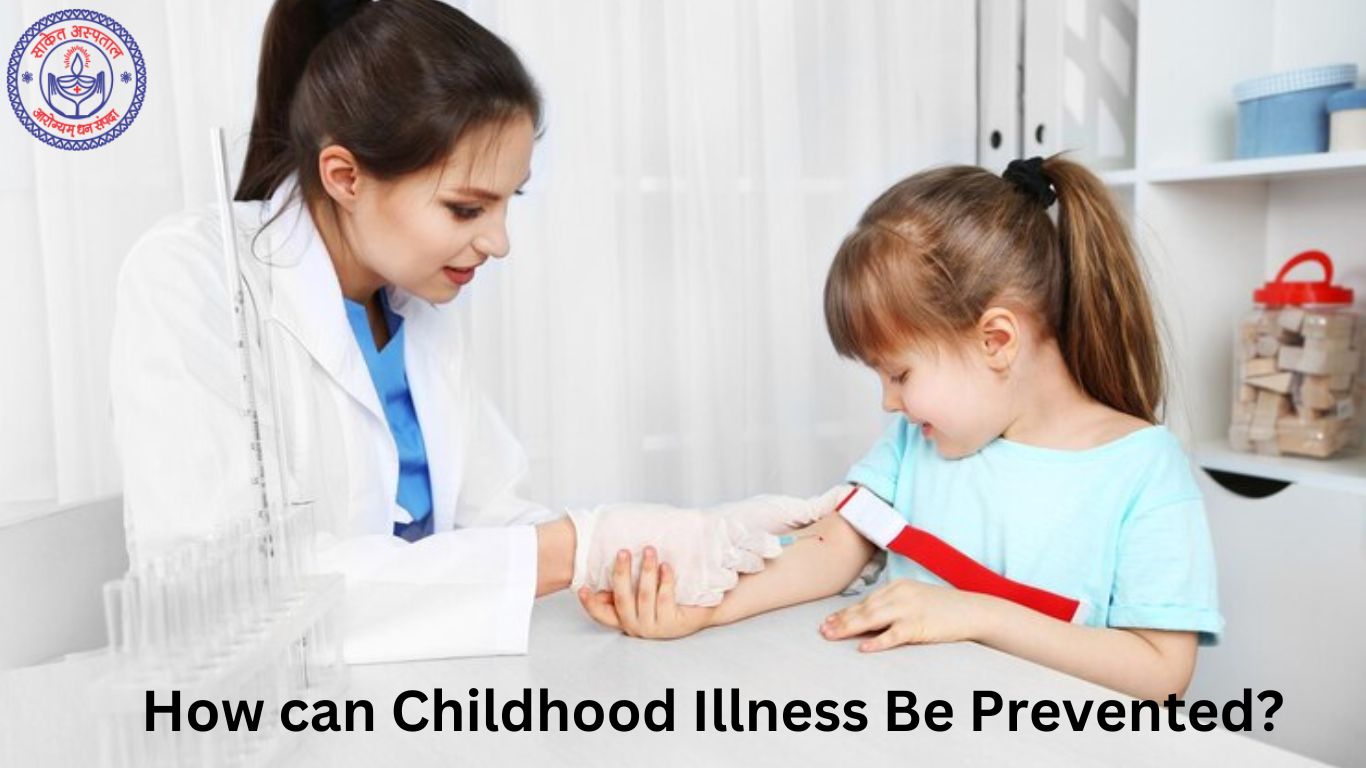
Introduction Childhood is a critical phase of life where we have to ensure the child’s well-being. Identifying the symptoms of illness in the early stages is important to ensure proper treatment. In this blog, we will discuss about the childhood illness and the preventive methods. It is mandatory to see the best pediatric doctor in Jaipur for your child’s well-being. Recognizing Common Childhood Illness The first step is to recognize the signs and symptoms of childhood illness to ensure proper treatment and the safety of the child. It is crucial to monitor these symptoms at early stages. Gastrointestinal Infection Gastrointestinal Infection is caused by a bacterial infection that attacks the intestine and often raises digestive problems. These infections are accompanied by vomiting, nausea, abdominal pain, and fever. Depending on the causes the severity and duration can vary from mild and self-limiting to severe that requires medical treatment. Saket hospital is the best hospital in Jaipur that offers best treatment. Common Cold and Flu Common colds and Flu are generally seen in childhood and are accompanied by high fever which lasts for three to four days—the common cold spreads through viral infections. Skin Infections Skin Infections refer to rashes all over the body especially on the face and around the neck. These are red blisters that often irritate and itching and require medical treatment. These are caused by viral infections and are sometimes very painful. Why Vaccines Are Important? Vaccines are designed to prepare the immune system to fight various infections that attack the body. It is necessary to be vaccinated for several diseases like polio, mumps, whopping cough, and many other diseases. By receiving timely vaccines children are safe from these diseases. Vaccination is important as it fights various diseases and makes the immune system strong. Measures to Promote Good Hygiene Balanced Diet A Balanced Diet refers to a diet that includes carbohydrates, proteins, vitamins, and minerals that are a good source of energy and keep your body healthy and mind active. Hygiene Regular washing of hands before and after the meal is important to avoid the transmission of harmful germs. It is a healthy practice to keep your child’s disease-free. Cough and Sneeze Etiquette Teach your child to cover their mouth and nose with a tissue before sneezing. This avoids the transmission of infection from one body to another and ensures the well-being of the child. Personal Items Teach your child not to share personal items like bathing towels, combs, or water bottles to prevent infections. Maintaining a Healthy Environment Home Environment- Regular dusting of your living space ensures that your home is neat and clean which keeps the bacteria away and promotes a healthy environment. Air Quality- Ensure proper ventilation from your windows and drink purified water to keep germs away. Pest Control- Keep your home free from pests like insects or rodents that are harmful to your health. When to Call the Doctor High Fever- If your child has been suffering from a fever for many days then you take your child to the doctor. Dehydration- If your child feels low and feels lethargic then they need a doctor. Difficulty in Breathing- If your child faces any type of breathing difficulty then they need to see a doctor. Loss of appetite- If your child loses interest in food and consumes half of the food as usual for more than two days. Conclusion Preventing Childhood Illness involves a multifaceted approach from vaccination and promoting healthy lifestyles by eating a balanced diet. Understanding the signs and symptoms of illness in the early stages is important to seek medical advice. There is the best pediatric doctor in Jaipur that ensures the well-being of your child.If you are looking to a multispeciality hospital in Jaipur, Saket is the best choice.
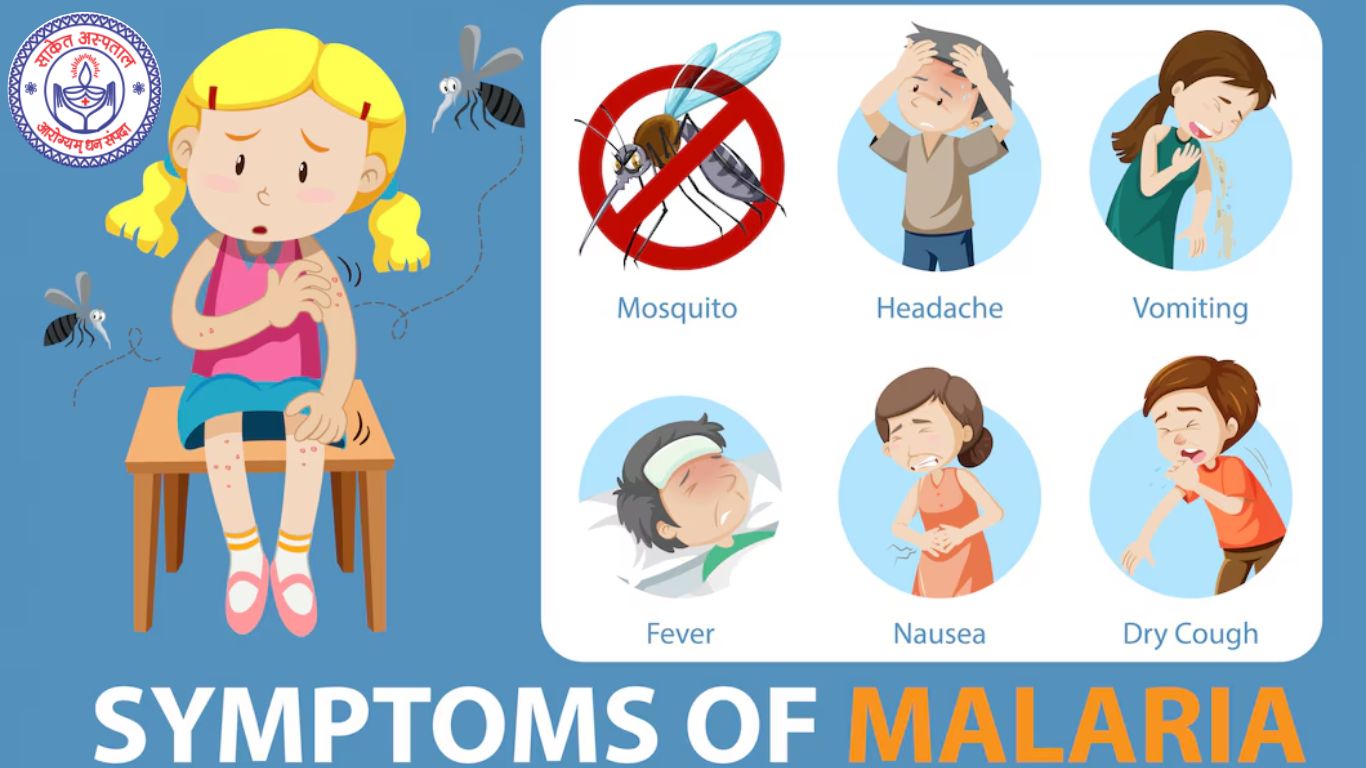
Malaria is a serious, often deadly disease. It is caused by parasites in infected mosquitoes. It predominantly affects tropical and subtropical regions, including parts of India. Children are particularly vulnerable to malaria due to their weaker immune systems. Knowing the symptoms of malaria in children is vital. It allows for early diagnosis and effective treatment. This blog will explore malaria symptoms in children. It will highlight how Saket Hospital in Jaipur helps manage the disease. Common Symptoms of Malaria in Children 1. Fever and Chills One of the most common symptoms of malaria in children is a high fever, often accompanied by chills. The fever can be intermittent. It occurs in cycles that align with the malaria parasite’s lifecycle. Children may experience sudden and severe shivering episodes, followed by high fever. The cyclic nature of fever is a hallmark of malaria. It should prompt immediate medical attention. 2. Headache and Body Aches Children with malaria often complain of severe headaches and body aches. These symptoms can be debilitating. They may make the child lethargic or irritable. Malaria headaches can be mild or severe. They often last until effective treatment. 3. Nausea and Vomiting Malaria can cause gastrointestinal symptoms such as nausea and vomiting. These symptoms can cause dehydration. This is dangerous for young children. It is important to keep the child hydrated and seek medical help if these symptoms persist. 4. Fatigue and Weakness Children suffering from malaria often appear unusually tired and weak. This fatigue comes from the body’s response to the infection. It can greatly affect the child’s ability to do normal activities. Severe malaria can cause extreme weakness and tiredness. This makes it hard for the child to do daily tasks. 5. Sweating and Hot Flashes As the malaria fever subsides, the child may sweat excessively and have hot flashes. This sweating is the body’s way of cooling down after a high fever. Sweating can be normal during a fever. But, it should be monitored. It may lead to dehydration in the child. 6. Anemia Malaria can cause a decrease in red blood cells, leading to anemia. Symptoms of anemia in children include pale skin, weakness, and shortness of breath. In severe cases, anemia can become life-threatening and requires prompt medical intervention. 7. Abdominal Pain Abdominal pain is another symptom that can occur in children with malaria. This pain can vary in intensity. It may come with other gastrointestinal symptoms, like diarrhea. 8. Seizures and Confusion In severe malaria, children may have seizures or show confusion. This is often due to the involvement of the central nervous system, which can occur in severe malaria. Immediate medical attention is crucial to manage these symptoms effectively. Diagnosis and Treatment Early diagnosis of malaria is critical for effective treatment. If your child exhibits any of the above symptoms, it is essential to seek medical help promptly. Blood tests confirm the presence of malaria parasites. They are a type of diagnostic test. Saket Hospital, a top provider, has expert pediatricians and advanced tools to treat children’s malaria. The hospital’s specialists ensure kids get a correct diagnosis and proper treatment. This includes antimalarial drugs and care to manage symptoms and prevent complications. Prevention of Malaria Preventing malaria is crucial, especially in areas where the disease is prevalent. Some preventive measures include: Using Insect Repellents: Apply mosquito repellents on exposed skin to prevent mosquito bites. Sleeping Under Mosquito Nets: Use insecticide-treated bed nets to avoid mosquito bites at night. Wearing Protective Clothing: Dress children in long sleeves and pants. This reduces skin exposure. Eliminating Standing Water: Mosquitoes breed in stagnant water. So, removing standing water around the home can reduce the risk of malaria. Conclusion It is vital to know the symptoms of malaria in children. This aids quick diagnosis and treatment. Key signs of malaria are high fever, chills, and a headache. Nausea, vomiting, fatigue, sweating, anemia, and abdominal pain may also occur. In severe cases, there may be seizures. If your child exhibits these symptoms, seek immediate medical attention. Saket Hospital is known for its top pediatric doctor in Jaipur It excels at diagnosing and treating malaria. Quick action and proper care can greatly help malaria-affected kids. It can improve their outcomes and ensure a fast recovery.
As the monsoon season arrives, it brings a welcome respite from the scorching summer heat. However, the rains also come with their own set of challenges and health concerns. Knowing how to prepare for the monsoon can help you. It can keep you healthy and let you enjoy the season, worry-free. We will discuss the key precautions and preparations. They will help you make the most of the monsoon showers. Understanding Monsoon Health Risks Monsoon showers create a conducive environment for the proliferation of various pathogens. The increased humidity and stagnant water can lead to several health issues, including: 1. Waterborne Diseases Stagnant water from heavy rains can breed harmful bacteria and viruses. Common waterborne diseases include: Dengue Fever: Transmitted by mosquitoes that breed in stagnant water. Cholera: Caused by ingesting contaminated water or food. Typhoid Fever: Spread through contaminated food and water. 2. Vector-Borne Diseases The monsoon season exacerbates the prevalence of diseases spread by insects, particularly mosquitoes. Besides dengue, other vector-borne diseases include malaria and chikungunya. The increased humidity can also worsen the conditions for these diseases to thrive. 3. Skin Infections The constant exposure to dampness and moisture can lead to skin infections. Fungal infections, rashes, and allergies are common during this season. It’s essential to keep your skin clean and dry to avoid these issues. 4. Respiratory Problems The damp, humid weather can worsen asthma and allergies. High moisture in homes can cause mold and mildew growth. This can lead to respiratory issues and infections. Essential Preparations for the Monsoon 1. Health and Hygiene Maintaining good hygiene is crucial during the monsoon season. Here are some tips to stay healthy: Wash Hands Regularly: Wash hands often with soap and water. It can prevent disease spread. Boil Drinking Water: Boil or filter all drinking water. This prevents waterborne infections. Use Mosquito Repellents: Apply repellent creams and use mosquito nets. They protect you from diseases spread by mosquitoes. 2. Home Maintenance Preparing your home for the monsoon is equally important: Inspect Roofs and Walls: Check and repair leaks to prevent water damage and mold growth. Clean Gutters and Drains: Keep gutters and drains clean and working. This will avoid waterlogging. Use Dehumidifiers: They can reduce moisture in your home. This will prevent mold and mildew. 3. Wardrobe Choices Your choice of clothing can affect your health during the monsoon: Wear Light and Breathable Fabrics: Choose cotton clothes. They dry quickly and keep you comfortable. Keep Footwear Dry: Choose waterproof shoes or sandals to avoid fungal infections. 4. Health Check-Ups Regular health check-ups can help you spot issues from the monsoon. If you or your child have symptoms of a monsoon illness, see a doctor immediately. For parents, keeping an eye on children’s health during the monsoon is especially important. Children are more prone to infections and health issues. So, it’s vital to ensure they get proper care and attention. If you see signs of illness, like a fever or rash, consult the best pediatric doctor in Jaipur. Handling Health Emergencies In health emergencies or severe symptoms, know where to get help. Saket Hospital in Jaipur offers top care for various health issues. Saket Hospital’s skilled staff and top facilities ensure the best care for any health issue, from waterborne diseases to respiratory problems. Tips for Parents Parents must be especially vigilant about their children’s health during the monsoon. Ensure that children: Avoid Playing in Stagnant Water This can help prevent exposure to harmful pathogens. Wear Appropriate Clothing Keep them in dry, comfortable clothes to avoid skin infections. Stay hydrated and eat safe food. Ensure they drink clean water and eat freshly cooked meals. If you’re worried about your child’s health, contact a good pediatrician in Jaipur. They can advise you on common monsoon-related illnesses. They can provide expert guidance and treatment options tailored to your child’s needs. Conclusion The monsoon season brings health risks. But, with prep and care, you can enjoy the season safely. To stay healthy, keep good hygiene. Keep your home dry. Dress appropriately. Seek medical advice when needed. If you or your family have health issues during the monsoon, Saket Hospital in Jaipur can help. They provide expert medical care. Stay informed, stay prepared, and make the most of the refreshing monsoon showers!
Jaundice is common in children, especially newborns. It causes yellowing of the skin and eyes. This yellowing occurs due to high bilirubin levels. It’s a yellow pigment produced when red blood cells break down. Jaundice is usually harmless. But, know its causes. Seek medical help if needed. This blog will explore the causes of jaundice in children. It includes insights from the top pediatric doctors at Saket Hospital in Jaipur. Understanding Bilirubin and Jaundice The breakdown of red blood cells produces bilirubin. The liver processes bilirubin, which is then excreted in stool and urine. But, if the liver can’t process bilirubin, it builds up in the blood. This causes jaundice. Types of Jaundice in Children Physiological Jaundice: This is the most common type of jaundice in newborns. It usually appears between the second and fourth day after birth. It occurs due to the newborn’s immature liver. It takes time to process bilirubin. Physiological jaundice usually resolves within two weeks as the baby’s liver matures. Breastfeeding Jaundice: This type of jaundice occurs in breastfed babies. It can be due to inadequate breast milk intake. This leads to dehydration and less excretion of bilirubin. Mothers need to ensure proper breastfeeding techniques and frequent feedings. Breast Milk Jaundice: Some breastfed infants may develop jaundice. This is due to certain substances in the mother’s milk. They temporarily inhibit the baby’s liver from processing bilirubin. It usually appears after the first week of life. It can last for several weeks, but it is not harmful. Pathological Jaundice: This type is more serious. It can occur due to various underlying conditions. It usually appears within the first 24 hours of life or persists beyond two weeks. Immediate medical attention is required to diagnose and treat the underlying cause. Causes of Jaundice in Children 1. Infection Infections such as viral or bacterial infections can lead to jaundice in children. These infections can hurt the liver’s ability to process bilirubin or destroy red blood cells. This can raise bilirubin levels. Common infections include: Sepsis: A severe bacterial infection that spreads through the blood. It affects the liver and other organs. Hepatitis: Viral infections like hepatitis A, B, or C can inflame the liver. This impairs its function and causes jaundice. 2. Hemolytic Anemia Hemolytic anemia occurs when red blood cells are destroyed faster than they are made. This rapid destruction increases bilirubin production. It overwhelms the liver’s ability to process it. Conditions that can cause hemolytic anemia include: Rh Incompatibility: If a mother and baby have different blood types, the mother’s immune system can attack the baby’s red blood cells. G6PD Deficiency: A genetic disorder. It makes red blood cells more prone to breaking down. 3. Liver Disorders Liver disorders can directly impact the liver’s ability to process bilirubin. Conditions include: Biliary Atresia: A condition in newborns where the bile ducts are blocked or absent. This prevents the excretion of bilirubin. Neonatal Hepatitis: Liver inflammation in newborns, often from a virus. 4. Genetic Disorders Some genetic conditions can impair the liver’s ability to process bilirubin. They can also cause excessive breakdown of red blood cells. Examples include: Gilbert’s Syndrome: A genetic disorder. It causes mild jaundice. The liver does not process bilirubin properly. Crigler-Najjar Syndrome is a rare genetic disorder. It severely impairs the liver’s ability to process bilirubin. 5. Premature Birth Premature babies are at higher risk for jaundice. Their livers are less developed and efficient at processing bilirubin. They may have more red blood cells that break down faster. This can raise bilirubin levels. Diagnosing and Treating Jaundice in Children Diagnosis Diagnosing jaundice requires a detailed medical history and exam by the best pediatric doctors at Saket Hospital in Jaipur. Key diagnostic tests include: Blood Tests: To measure bilirubin levels and identify underlying causes like infection or anemia. Liver Function Tests: To assess the liver’s ability to process bilirubin. Ultrasound or Imaging Studies: To evaluate the liver, gallbladder, and bile ducts. Treatment Treatment for jaundice in children depends on the underlying cause and severity. Common treatments include: Phototherapy: Using light to break down bilirubin in the skin. Exchange Transfusion: Replacing the baby’s blood with fresh blood to lower bilirubin levels. Treating Underlying Conditions: Addressing infections, managing liver disorders, or correcting anemia. Preventive Measures Adequate Breastfeeding: Ensuring proper breastfeeding techniques and frequency. Early Medical Attention: Seeking prompt medical care if jaundice appears early or persists beyond two weeks. Monitoring Premature Babies: Close monitoring of bilirubin levels in premature infants. Conclusion Jaundice is common in children, especially newborns. It’s usually not a cause for alarm. Knowing the causes and getting prompt medical help can ensure your child gets the best care. At Saket Hospital, our experts can diagnose and treat jaundice and its causes. They include the best pediatric doctors in Jaipur. If you’re worried about your child’s health, including jaundice, please consult our specialists. For advanced cases, our hospital in Jaipur‘s best neurosurgeon for neurological issues. With proper care, you can manage jaundice. It will keep your child healthy.
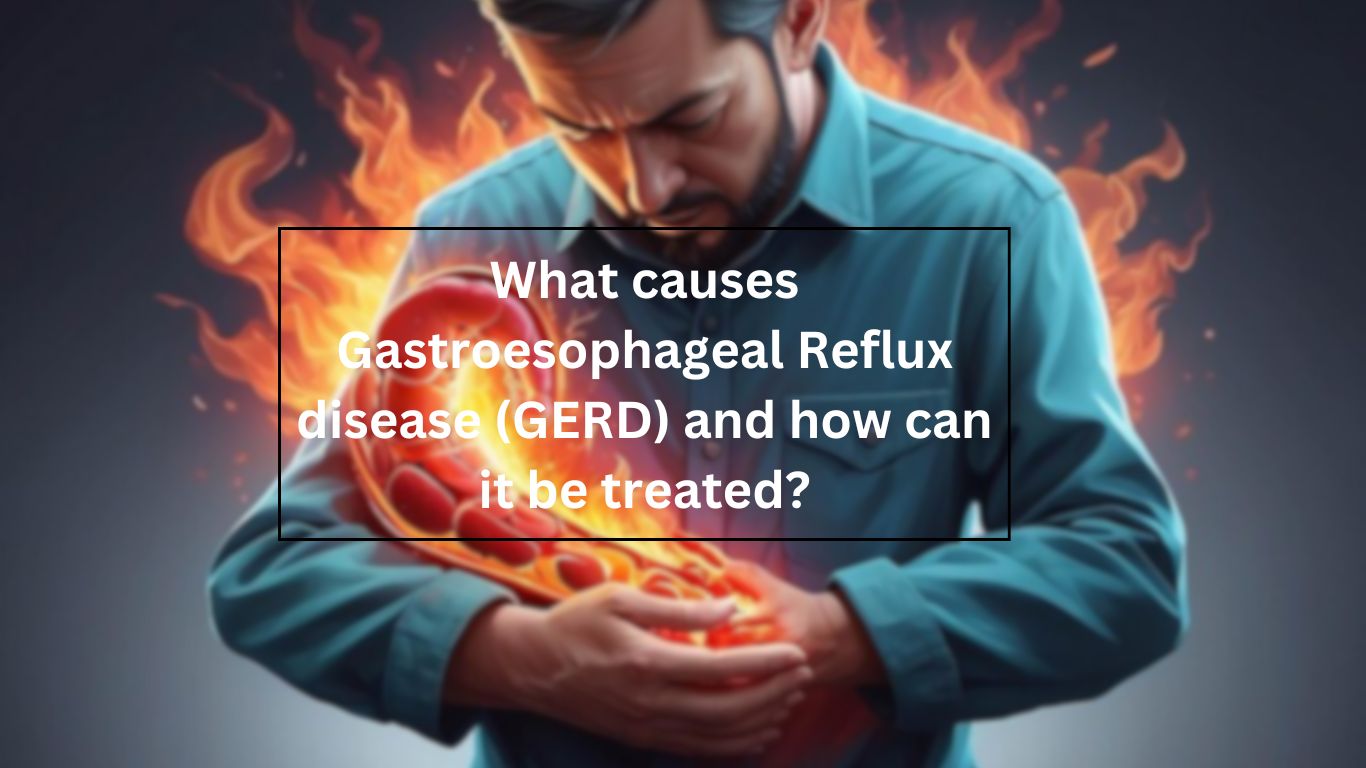
Gastroesophageal reflux disease (GERD) is a chronic condition. Stomach acid often flows back into the esophagus, the tube from your mouth to your stomach. This acid reflux can irritate the lining of your esophagus. GERD is a common digestive disorder that affects people of all ages. It is vital to know its causes and treatments. This helps manage symptoms and improve quality of life. If you have GERD symptoms, please consult a healthcare professional. In Jaipur, the best place for treatment is Saket Hospital. It has the best gastrologist in Jaipur. Causes of GERD GERD occurs when the lower esophageal sphincter (LES) doesn’t work. It’s a ring of muscle at the end of your esophagus. Normally, the LES relaxes to let food and liquid into your stomach. Then, it closes to stop food and acid from flowing back into the esophagus. Yet, when the LES is weak or relaxes inappropriately, it can lead to acid reflux. 1. Hiatal Hernia A hiatal hernia occurs when the stomach’s upper part pushes through a diaphragm opening into the chest. This displacement can cause the LES to malfunction, allowing acid to escape into the esophagus. 2. Obesity Excess body weight, especially in the belly, can pressure the stomach. This may cause the LES to relax inappropriately. This pressure can lead to acid reflux and GERD. 3. Pregnancy Hormonal changes during pregnancy can relax the LES. A growing uterus can increase stomach pressure, causing acid reflux. 4. Smoking Smoking can weaken the LES and increase acid production in the stomach. It also reduces saliva production, which is necessary to neutralize stomach acid. 5. Dietary Choices Certain foods and drinks can trigger acid reflux. They relax the LES or increase stomach acid. Common culprits include spicy foods, chocolate, caffeine, alcohol, and fatty foods. 6. Medications Some meds, like muscle relaxants, blood pressure drugs, and antihistamines, can weaken the LES. This may cause GERD symptoms. Symptoms of GERD GERD symptoms can vary from mild to severe. Common symptoms include: Heartburn: A burning feeling in the chest, usually after eating. It may be worse at night. Regurgitation: Sour or bitter-tasting acid backing up into your throat or mouth. Difficulty swallowing: Feeling like you have a lump in your throat. Chest pain: Discomfort or pain that may mimic the symptoms of a heart attack. Chronic cough: Persistent coughing, especially at night. Laryngitis: Hoarseness or sore throat. Complications of Untreated GERD If left untreated, GERD can lead to more severe health problems: 1. Esophagitis Frequent acid exposure can inflame the esophagus. This can cause pain and make swallowing hard. 2. Esophageal Stricture Chronic inflammation can cause scar tissue. It can narrow the esophagus and make swallowing hard. 3. Barrett’s Esophagus A condition where acid exposure alters the esophagus’ lining. It raises the risk of esophageal cancer. 4. Respiratory Issues Chronic acid reflux can cause respiratory issues like asthma and bronchitis. It may also lead to aspiration pneumonia. Diagnosis of GERD Diagnosing GERD typically involves a combination of symptom review and diagnostic tests: 1. Upper Endoscopy A procedure that uses a thin, flexible tube with a camera. It is inserted into the esophagus to check for inflammation or other issues. 2. Esophageal pH Monitoring A test that measures the amount of acid in the esophagus over a 24-hour period. 3. Manometry This test measures the rhythm of your esophagus’ muscle contractions when you swallow. It also tests how well your esophagus muscles work. 4. Barium Swallow An X-ray exam that checks for abnormalities in the esophagus and stomach. Treatment of GERD Treating GERD involves lifestyle modifications, medications, and in some cases, surgery. Lifestyle Modifications Dietary Changes Avoid trigger foods such as spicy foods, chocolate, caffeine, alcohol, and fatty foods. Eat smaller, more frequent meals instead of large meals. Avoid eating late at night. Weight Management Maintaining a healthy weight can reduce pressure on the stomach and LES. Elevating the Head of the Bed Raising the head of your bed by 6 to 8 inches can prevent acid from flowing back into the esophagus during sleep. Quit Smoking Stopping smoking can improve LES function and reduce acid production. Avoid Tight Clothing Tight clothing, especially around the waist, can put pressure on the stomach and LES. Medications Antacids Over-the-counter medications that neutralize stomach acid and provide quick relief. H2 Receptor Blockers Medications that reduce acid production. Examples include ranitidine and famotidine. Proton Pump Inhibitors (PPIs) More effective at reducing acid production than H2 blockers. Common PPIs include omeprazole and esomeprazole. Prokinetics Medications that help strengthen the LES and make the stomach empty faster. Surgical Options For those who do not respond to lifestyle changes and medications, surgery might be an option: Fundoplication The most common surgical procedure for GERD. The surgeon wraps the top of the stomach around the LES to strengthen it and prevent acid reflux. LINX Device A ring of tiny magnetic beads is wrapped around the junction of the stomach and esophagus. The beads’ magnetic attraction keeps the LES closed to refluxing acid. But, it lets food pass through. Conclusion GERD is a manageable condition with the right approach and treatment. By understanding its causes and symptoms, you can take the necessary steps to control it. Lifestyle modifications, medications, and sometimes surgery can significantly improve your quality of life. If you have GERD symptoms, seek medical advice. At Saket Hospital in Jaipur, you can see the best gastroenterologist in Jaipur. They will give you a full diagnosis and treatment. Remember, early intervention can prevent complications and improve your overall health. Stay informed and proactive. You can then manage GERD and live better.
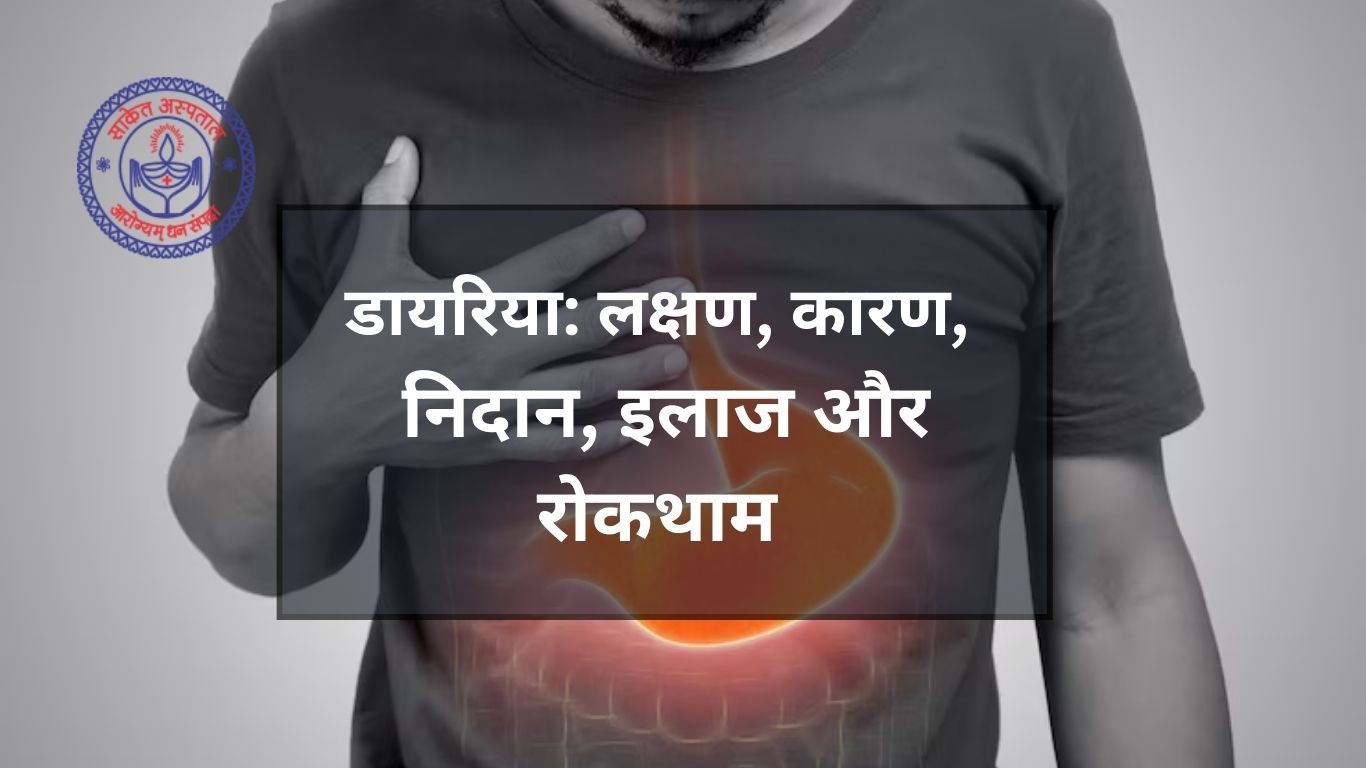
डायरिया एक आम लेकिन गंभीर स्वास्थ्य समस्या है, जो अक्सर बच्चों और बुजुर्गों को प्रभावित करती है। यह स्थिति तब उत्पन्न होती है जब आंतों में संक्रमण होता है और पाचन प्रक्रिया में गड़बड़ी होती है। इस ब्लॉग में, हम डायरिया के लक्षण, कारण, निदान, इलाज और रोकथाम के बारे में विस्तृत जानकारी प्राप्त करेंगे। साथ ही, हम जानेंगे कि जयपुर के सर्वश्रेष्ठ गैस्ट्रोलॉजिस्ट(Gastrologist in Jaipur) से कैसे परामर्श लिया जा सकता है। डायरिया के लक्षण डायरिया के लक्षण कई प्रकार के हो सकते हैं, जिनमें से कुछ निम्नलिखित हैं: बार-बार ढीला मल आना: दिन में तीन से अधिक बार ढीला या पानी जैसा मल आना डायरिया का मुख्य लक्षण है। पेट में मरोड़ और दर्द: पेट में तीव्र दर्द और मरोड़ का अनुभव हो सकता है। गैस और फुलाव: पेट में गैस और फुलाव की समस्या हो सकती है। उल्टी और मितली: उल्टी और मितली की समस्या हो सकती है, जिससे कमजोरी महसूस होती है। बुखार: कई मामलों में बुखार भी हो सकता है, जो संक्रमण का संकेत हो सकता है। डिहाइड्रेशन: डायरिया के कारण शरीर में पानी की कमी हो सकती है, जिससे थकान, चक्कर आना, और मुंह का सूखना जैसी समस्याएं हो सकती हैं। डायरिया के कारण डायरिया के कई कारण हो सकते हैं, जिनमें से कुछ प्रमुख कारण निम्नलिखित हैं: वायरल और बैक्टीरियल संक्रमण: रोटावायरस, नोरोवायरस, और बैक्टीरिया जैसे ई.कोलाई और सैल्मोनेला संक्रमण डायरिया का प्रमुख कारण हो सकते हैं। पानी और खाने की अशुद्धता: अशुद्ध पानी और खाद्य पदार्थों के सेवन से भी डायरिया हो सकता है। खाद्य अलर्जी: कुछ खाद्य पदार्थों से एलर्जी भी डायरिया का कारण बन सकती है। अति-मसालेदार और तैलीय भोजन: अति-मसालेदार और तैलीय भोजन का अधिक सेवन भी पाचन तंत्र को प्रभावित कर सकता है। दवाओं के प्रतिकूल प्रभाव: एंटीबायोटिक्स और अन्य दवाओं का उपयोग भी डायरिया का कारण बन सकता है। डायरिया का निदान डायरिया के निदान के लिए निम्नलिखित प्रक्रियाएं अपनाई जा सकती हैं: स्वास्थ्य इतिहास और शारीरिक परीक्षण: डॉक्टर रोगी के स्वास्थ्य इतिहास और शारीरिक परीक्षण के आधार पर निदान कर सकते हैं। मल परीक्षण: मल के नमूने की जांच से संक्रमण का पता लगाया जा सकता है। रक्त परीक्षण: रक्त परीक्षण से शरीर में किसी संक्रमण या अन्य समस्याओं का पता लगाया जा सकता है। अन्य परीक्षण: पेट का अल्ट्रासाउंड और कोलोनोस्कोपी जैसे परीक्षण भी निदान में सहायक हो सकते हैं। डायरिया का इलाज डायरिया के इलाज के लिए निम्नलिखित उपचार अपनाए जा सकते हैं: ओरल रिहाइड्रेशन सॉल्यूशन (ORS): शरीर में पानी और इलेक्ट्रोलाइट्स की कमी को पूरा करने के लिए ORS का उपयोग किया जा सकता है। एंटीबायोटिक्स: बैक्टीरियल संक्रमण के मामले में एंटीबायोटिक्स का उपयोग किया जा सकता है। प्रोबायोटिक्स: आंतों की सेहत के लिए प्रोबायोटिक्स का सेवन फायदेमंद हो सकता है। खाद्य परहेज: हल्का और सुपाच्य भोजन करना चाहिए, जैसे कि केला, चावल, सेब की चटनी और टोस्ट। दवाएं: कुछ विशेष दवाओं का उपयोग डॉक्टर की सलाह के अनुसार किया जा सकता है। डायरिया की रोकथाम डायरिया की रोकथाम के लिए निम्नलिखित सावधानियां बरती जा सकती हैं: साफ-सफाई का ध्यान रखना: हाथ धोने की आदत डालें, खासकर खाने से पहले और टॉयलेट का उपयोग करने के बाद। स्वच्छ पानी का सेवन: केवल साफ और सुरक्षित पानी का ही सेवन करें। खाद्य सुरक्षा: खाने को अच्छी तरह पकाएं और ताजे खाद्य पदार्थों का ही सेवन करें। टीकाकरण: बच्चों को रोटावायरस टीका दिलवाएं। यात्रा के दौरान सावधानी: यात्रा के दौरान पानी की बोतलें साथ रखें और स्ट्रीट फूड से बचें। जयपुर में डायरिया के इलाज के लिए सर्वश्रेष्ठ गैस्ट्रोलॉजिस्ट जयपुर में डायरिया के इलाज के लिए कई अनुभवी गैस्ट्रोलॉजिस्ट (Gastrologist in Jaipur)उपलब्ध हैं। यदि आप डायरिया से पीड़ित हैं और विशेषज्ञ से परामर्श लेना चाहते हैं, तो Saket Hospital in Jaipur में सर्वश्रेष्ठ गैस्ट्रोलॉजिस्ट से संपर्क करें। यहां के विशेषज्ञ न केवल आपके लक्षणों का निदान करेंगे, बल्कि उचित उपचार और परामर्श भी प्रदान करेंगे। निष्कर्ष डायरिया एक गंभीर स्थिति हो सकती है, जो समय पर सही उपचार न मिलने पर खतरनाक साबित हो सकती है। इसके लक्षणों को पहचानना, सही निदान कराना और उचित उपचार लेना आवश्यक है। इसके अलावा, रोकथाम के उपायों को अपनाकर इस समस्या से बचा जा सकता है। यदि आप या आपके परिवार में किसी को डायरिया की समस्या हो रही है, तो तुरंत Saket Hospital in Jaipur में सर्वश्रेष्ठ गैस्ट्रोलॉजिस्ट(Gastrologist in Jaipur) से परामर्श लें और सही उपचार प्राप्त करें। याद रखें, स्वच्छता और स्वास्थ्य का ध्यान रखना ही डायरिया से बचाव का सबसे प्रभावी तरीका है। स्वस्थ रहें, सुरक्षित रहें।