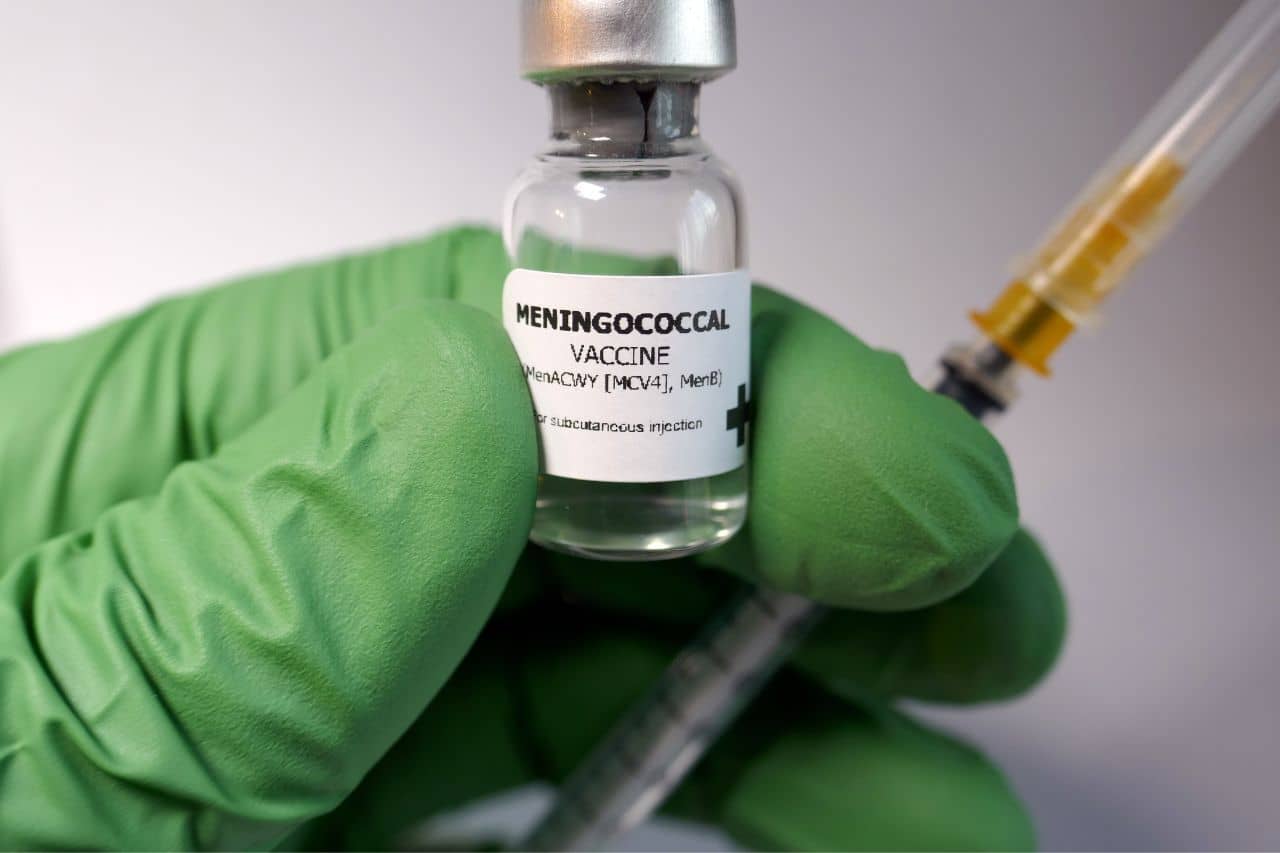
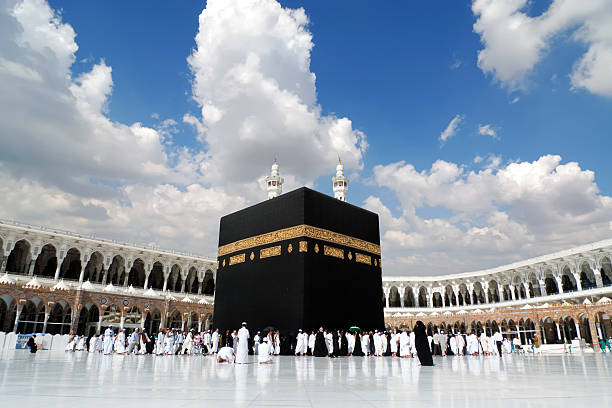
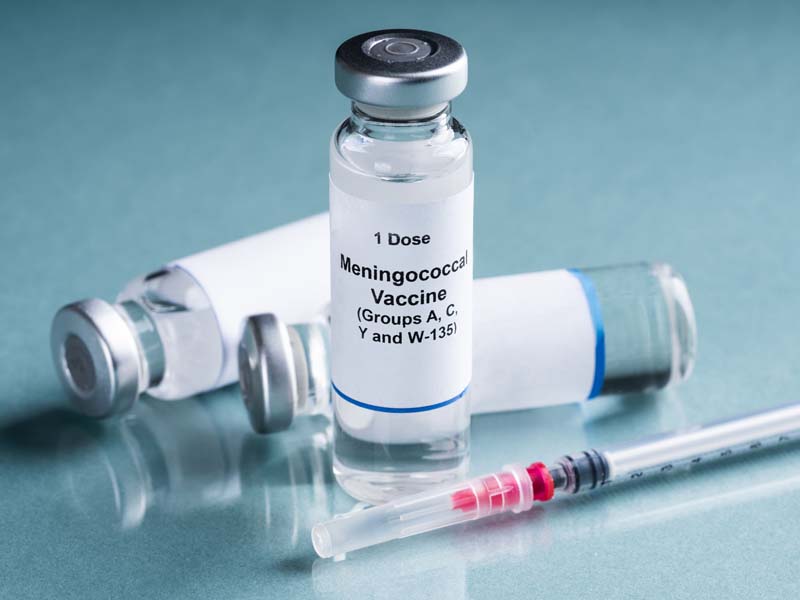
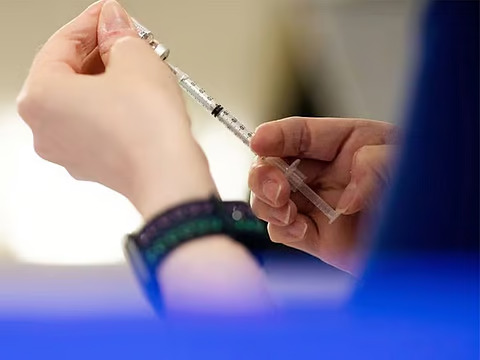
As parents, ensuring the health and safety of our children is always a top priority. One crucial step in safeguarding their well-being is staying informed about recommended vaccinations. Among these, the meningococcal vaccine stands out as a vital immunization for preteens and teens. This vaccine not only safeguards against lethal diseases but is also a compulsory requirement for some foreign travels, like the Hajj trip to Makkah and Madinah. At Saket Hospital, we stress the significance of this vaccine and offer complete counseling to enable families to make well-informed decisions. Why is the Meningococcal Vaccine Important? Meningococcal disease is a serious bacterial infection with Neisseria meningitidis. It can cause meningitis (inflammation of the brain and spinal cord) and septicemia (blood poisoning), both of which are potentially fatal or lead to long-term disability. Young adults and adolescents are more at risk because of their social habits, including close contact in schools or dorms, which can spread the bacteria. The meningococcal vaccine is formulated to guard against a number of strains of the bacteria, greatly lowering the risk of infection. The Centers for Disease Control and Prevention (CDC) advises preteens to get their first dose at 11-12 years of age, with a booster dose at 16. This provides maximum protection during their most vulnerable years. Hajj Health Requirements and the Meningococcal Vaccine For those families preparing to embark on the holy pilgrimage of Hajj to Makkah and Madinah, the meningococcal vaccines isn’t merely advisable—it’s an obligatory health protocol. The Kingdom of Saudi Arabia maintains rigorous health regulations to avoid spreading contagious diseases during pilgrimage, when millions of travelers from across the globe assemble there. The Saudi Ministry of Health mandates that all pilgrims present evidence of meningococcal vaccination at least 10 days prior to arrival. This applies to everyone of all ages, including preteens and teenagers. The vaccine should be effective for the whole period of pilgrimage. At Saket Hospital, we help families comply with these conditions by issuing certified vaccinations and certificates. Saudi Arabia Travel Advice: Stay Protected If you’re planning to travel to Saudi Arabia for Hajj or any other purpose, it’s essential to stay updated on the latest health advisories. In addition to the meningococcal vaccine, other recommended vaccinations include influenza, hepatitis A and B, and polio. It’s also advisable to carry a basic health kit, stay hydrated, and practice good hygiene to minimize the risk of illness. At Saket Hospital, our travel health experts provide one-on-one consultations to make you and your family ready to go. We give you the comprehensive Saudi Arabia travel tips, including schedules for vaccination, tips on health, and emergency care details. Why Choose Saket Hospital for Vaccinations? At Saket Hospital, your family’s safety and health is our top priority. Our world-class facilities and skilled medical staff assure each vaccination is given with precision and care. We know how critical on-time immunizations are, particularly for preteens and teenagers, and provide flexible scheduling to fit around busy lives. Aside from the meningococcal vaccine, we offer a broad spectrum of vaccinations and travel health care. Whether you’re getting ready for Saudi Arabia Hajj, making travel arrangements abroad, or just keeping your regular immunizations current, our staff is here to assist you from start to finish. Conclusion The meningococcal vaccine is an essential protection for teens and preteens, warding off a potentially fatal disease. For individuals who are going to plan Hajj pilgrimage or visiting Saudi Arabia, this vaccination is a mandatory requirement to allow a healthy and safe journey. At Saket Hospital, we ensure that the best level of care is offered, assisting you in fulfilling all health requirements hassle-free. Don’t wait—book an appointment with Saket Hospital today so that your family is safe and ready for any adventure that lies ahead. Your health matters most to us.
Meningococcal disease is a serious bacterial infection by Neisseria meningitidis. It may result in life-threatening illnesses like meningitis (inflammation of the brain and spinal cord) and septicemia (blood poisoning). With its possible severity, prevention through vaccination is paramount. But who precisely needs meningococcal vaccines? Let us discuss the significance of this vaccine, its applicability for travelers, and particular requirements for countries such as Saudi Arabia, including Hajj pilgrims. We’ll also talk about how Saket Hospital in Jaipur can help you meet these vaccination requirements. Understanding Meningococcal Vaccines Meningococcal vaccines are given to protect against the various serogroups of Neisseria meningitidis, A, B, C, W, and Y. Meningococcal disease is effectively prevented by these vaccines, which can be spread via close contact with an infected individual. The illness is especially risky because it may advance very fast, causing serious complications or death in a matter of hours. The vaccine is advised for particular groups of individuals, such as infants, adolescents, and individuals with specific medical conditions. However, it is also an essential requirement for travelers going to areas where meningococcal disease is common or outbreaks have occurred. Meningococcal Vaccination Requirements for Saudi Arabia Saudi Arabia has stringent vaccination requirements for visitors, particularly those coming for religious pilgrimages such as Hajj or Umrah. The Saudi Ministry of Health requires all pilgrims and visitors from countries with a high risk of meningococcal disease to present evidence of meningococcal meningitis vaccination. The vaccine should be taken at least 10 days prior to entry into Saudi Arabia and be valid for the length of stay. The quadrivalent meningococcal vaccine that protects against serogroups A, C, W, and Y is the only vaccine accepted for travel to Saudi Arabia. This is done to safeguard travelers as well as the population from possible outbreaks. Vaccine Required for Hajj Pilgrims Hajj, the Islamic pilgrimage to Mecca that occurs every year, draws millions of Muslims from across the globe. Because of the large crowds and close interaction between pilgrims, the risk of infectious diseases such as meningococcal meningitis is much greater. To reduce this risk, Saudi Arabia mandates that all Hajj and Umrah pilgrims be vaccinated against meningococcal disease. Pilgrims are required to have a valid International Certificate of Vaccination or Prophylaxis (ICVP) as evidence of vaccination. Without this, you may be denied entry into the country. It’s best to plan and get the vaccine well before your travel dates. Meningococcal Vaccine for Saudi Arabia Travel Even if you are not going to Hajj or Umrah, Saudi Arabia’s vaccination policy is for all visitors. Whether you are going for business, tourism, or family visits, you need to adhere to the country’s health policy. The meningococcal vaccine is one of the most important requirements, and it is recommended that you consult your healthcare provider or travel clinic to make sure you adhere to all the health guidelines. Meningococcal Vaccine in Jaipur For Jaipur residents, the meningococcal vaccine is easily accessible and trustworthy at Saket Hospital. Being one of the top healthcare centers in the city, Saket Hospital provides thorough vaccination facilities, including the quadrivalent meningococcal vaccine for Saudi Arabia travel. Their experienced healthcare experts ensure that you get vaccinated in a hygienic and secure environment, with the travel documents as well. Saket Hospital also offers individualized advice on vaccination timetables and other global travel health needs. Whether you are planning a pilgrimage or a business trip, their professionals can guide you through the process effortlessly. Saudi Vaccination Rules: What You Need to Know Apart from the meningococcal vaccine, Saudi Arabia also has additional vaccination requirements based on your home country and travel history. For instance, passengers from some countries will be required to present proof of yellow fever or polio vaccination. It is important to keep yourself abreast of current Saudi vaccination regulations to prevent any last-minute hassle. Before traveling, consult your healthcare provider or a travel medicine specialist to ensure you’re fully compliant with all health regulations. Saket Hospital in Jaipur is an excellent resource for travelers, offering up-to-date information and vaccination services tailored to your destination. Why Choose Saket Hospital for Your Vaccination Needs? Saket Hospital is a name to be relied upon in healthcare, and it is famous for its patient-focused practice and world-class facilities. While traveling vaccinations are a concern, their staff makes it a hassle-free experience, starting from consultation to documentation. This is why Saket Hospital excels: Professional Advice: Their medical staff delivers precise information about vaccination schedules and requirements. Good Care: The hospital follows high safety and hygiene standards, and the vaccination process is safe and secure. Extensive Services: Right from routine vaccinations to travel-related immunizations, Saket Hospital has everything under one roof. Convenience: Being situated in Jaipur, the hospital is conveniently located, making it easily accessible for the residents. Conclusion Vaccination against meningococcal disease is crucial to prevent an otherwise fatal illness. The vaccine is particularly necessary for all travelers to Saudi Arabia, including those going for Hajj and Umrah, as well as other purposes of travel. Adherence to Saudi vaccination regulations is a requirement, and planning is the key to a trouble-free trip. If you’re in Jaipur, Saket Hospital is your go-to destination for meningococcal vaccines and other travel-related health services. Their expertise and commitment to patient care make them a reliable partner in safeguarding your health during international travel. Don’t leave your health to chance. Schedule your meningococcal vaccination at Saket Hospital today and travel with peace of mind. FAQs About Meningococcal Vaccine and Saudi Arabia Health Requirements 1. Who is eligible for the meningococcal vaccine? The meningococcal vaccine is indicated for infants, adolescents, those with some medical conditions, and travelers to areas with high meningococcal disease. It is also required for Hajj and Umrah pilgrims and other Saudi-bound travelers. 2. Why do Hajj and Umrah pilgrims need the meningococcal vaccine? Hajj and Umrah welcome millions of pilgrims from around the globe, establishing crowded environments that enhance the danger of infectious illnesses such as meningococcal meningitis. To avoid an outbreak,
Meningococcal disease is a severe bacterial infection caused by Neisseria meningitidis. Meningococcal disease may result in life-threatening illnesses like meningitis (membrane inflammation of the brain and spinal cord) and septicemia (blood poisoning). It is transmitted by respiratory droplets, so it is extremely contagious in crowded settings. For travelers, particularly those who are visiting areas of high prevalence or going to large events, knowledge about meningococcal disease and its prevention is important. This is especially significant for visitors going to Saudi Arabia, whose particular health requirements, such as meningococcal vaccination, are mandatory upon arrival. Understanding Meningococcal Disease Meningococcal disease is very fast-moving and can lead to serious complications within hours. Symptoms usually involve high fever, severe headache, stiff neck, nausea, vomiting, sensitivity to light, and confusion. In a few instances, a rash is also present. If not treated, the disease can lead to permanent disabilities like hearing loss, brain damage, or even death. Early treatment and diagnosis are important, but prevention via vaccination is still the best means of fighting this disease. Why is Meningococcal Vaccination Necessary for Saudi Arabia Travel? Saudi Arabia is a major destination for religious pilgrimages, including Hajj and Umrah, which receive millions of visitors from across the globe. These mass gatherings provide a perfect setting for the transmission of infectious diseases, including meningococcal disease. To safeguard both travelers and locals, the Saudi Arabian government has put in place stringent health measures, including compulsory meningococcal vaccination for all travelers. Vaccination Requirements for Saudi Arabia Saudi Arabia requires that travelers present proof of meningococcal vaccine taken at least 10 days prior to entry but not more than 3 years earlier. The vaccine has to be quadrivalent, protecting against four serogroups of the meningococcal bacteria (A, C, W, and Y). This is a requirement for everyone, such as pilgrims, tourists, and business visitors. For individuals intending to undertake Hajj or Umrah, there are other health needs that may be required, such as immunization against other conditions like influenza and yellow fever, based on the country of origin of the traveler. It is important to refer to the most recent recommendations by the Saudi Arabian Ministry of Health or seek a reliable healthcare practitioner to confirm adherence. Meningococcal Vaccines: Your Best Protection Meningococcal vaccines are effective, safe, and easily accessible. They activate the immune system to create antibodies that shield the body from the bacteria. Quadrivalent vaccine is the most commonly used for people traveling to Saudi Arabia. It is sold under different brand names and can be given at approved healthcare centers. If you are in Jaipur and going to Saudi Arabia, you can obtain the meningococcal vaccine at Saket Hospital, a reputable healthcare provider that specializes in complete travel healthcare. Their professional medical staff will assist you in the vaccination process and help you fulfill all of Saudi Arabia’s health needs. Hajj Health Requirements: Staying Safe During Pilgrimage Hajj is one of the world’s largest yearly meetings, and the Saudi Arabian government goes to great lengths to keep pilgrims safe and healthy. Besides the meningococcal vaccine, pilgrims are encouraged to: Stay current on routine vaccinations, including measles, mumps, and rubella (MMR). Practice good hygiene, including regular handwashing and hand sanitizers. Avoid close contact with those who exhibit symptoms of illness Remain hydrated and guard against excessive heat. Why Saket Hospital for Your Vaccination Requirements? In preparing to travel internationally, particularly to countries with special vaccination requirements for saudi arabia, finding a dependable healthcare professional is critical. Saket Hospital Jaipur provides various travel health care services, including meningococcal vaccination. Their staff of professionals provides travelers with appropriate vaccines and health counsel to keep them safe during travel. From Saket Hospital, you can anticipate: Professional advice on Saudi Arabia vaccination requirements. Meningococcal vaccines of high standard are given by experienced healthcare professionals. A hassle-free experience and quick waiting times. Expert travel health advice to suit your destination. Conclusion Meningococcal disease is a health risk, particularly for travelers going to countries such as Saudi Arabia, where there are high levels of people coming together, raising the risk of transmission. The best method of protecting yourself and others from this potentially deadly disease is through vaccination. If you are traveling to Saudi Arabia, either for Hajj, Umrah, or any other reason, make sure you comply with the vaccination requirements and take care of your health. For residents in Jaipur, Saket Hospital is your one-stop shop for meningococcal vaccination and other travel health services. By taking precautions, you can have a secure and enriching trip to Saudi Arabia. Stay updated, stay vaccinated, and travel with assurance. Frequently Asked Questions 1. How much does the meningococcal vaccine cost in Jaipur? The price of the meningococcal vaccine in Jaipur can differ based on the medical facility and the vaccine brand. At Saket Hospital, the vaccine is available at affordable rates, and you can reach their administration for pricing details. 2. For how long is the meningococcal vaccine effective? The quadrivalent meningococcal vaccine is effective for 3 years. Nonetheless, make sure that the vaccine is given at least 10 days prior to your trip to Saudi Arabia to satisfy the health requirements of the country. 3. Are there any side effects of the meningococcal vaccine? As with any vaccine, the meningococcal vaccine can result in mild side effects like injection-site redness or swelling, low-grade fever, or fatigue. Severe side effects are uncommon. Call your healthcare professional at Saket Hospital for advice tailored to you. 4. Can kids get the meningococcal vaccine when traveling to Saudi Arabia? Yes, kids can and ought to be vaccinated with meningococcal vaccine if they are going to Saudi Arabia. The vaccine is safe for people 2 years and above. Nevertheless, there may be certain guidelines to adhere to, and consulting a professional is advisable. 5. What other vaccinations are necessary for Hajj or Umrah? Aside from the meningococcal vaccine, pilgrims will also require vaccines for influenza, polio, and yellow fever, depending on their home country. Checking the current health requirements from the Saudi Arabian Ministry of Health or seeking advice from Saket Hospital is advisable for detailed information.
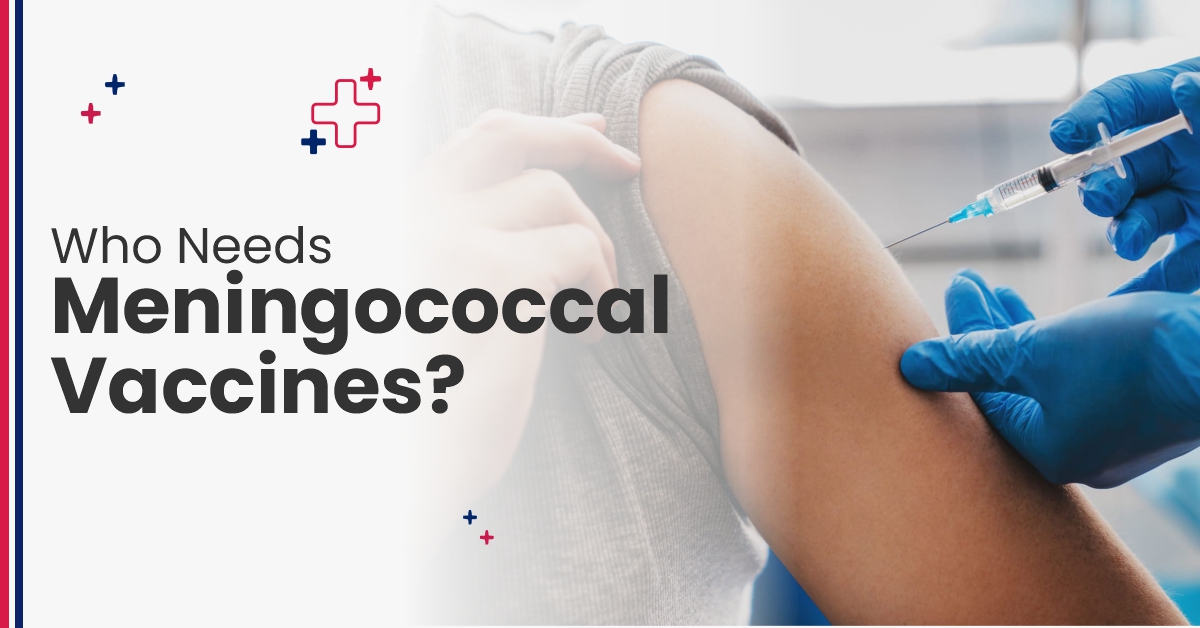
Meningococcal disease is a severe bacterial contamination brought about by Neisseria meningitidis. It can lead to life-threatening conditions like meningitis (inflammation of the brain and spinal cord) and septicemia (blood poisoning). Vaccination is the best method for safeguarding against this illness. If you’re searching for a meningococcal vaccine near me or specifically in Jaipur, Saket Hospital offers reliable vaccination services to keep you and your loved ones safe. Here’s everything you need to know about meningococcal vaccines. What Are Meningococcal Vaccines? Meningococcal vaccines are designed to protect against different strains of the Neisseria meningitidis bacteria. There are two main types of vaccines: Conjugate Vaccines: Protect against serogroups A, C, W, Y, and sometimes B. Polysaccharide Vaccines: Protect against serogroups A, C, W, and Y. These vaccines are highly effective in preventing meningococcal disease, which is especially important for travelers, students, and individuals with weakened immune systems. Who Should Get the Meningococcal Vaccine? The meningococcal vaccine is recommended for: Travelers: If you’re planning to visit regions where meningococcal disease is prevalent, such as Saudi Arabia, vaccination is crucial. In fact, the vaccination requirements for Saudi Arabia mandate the meningococcal vaccine for Hajj and Umrah pilgrims. Adolescents and Young Adults: College students living in dormitories are at higher risk due to close living quarters. Individuals with Medical Conditions: Those with compromised immune systems or spleen disorders should get vaccinated. Healthcare Workers: Those exposed to the bacteria in their line of work. Why Is the Meningococcal Vaccine Important for Travelers? Traveling to certain countries, especially during mass gatherings like Hajj, increases the risk of contracting meningococcal disease. Saudi Arabia has strict health regulations, and the meningococcal vaccine in Jaipur or any other city is a must for pilgrims. The vaccine must be administered at least 10 days before travel and is valid for three years. Where to Get the Meningococcal Vaccine in Jaipur? If you’re looking for a meningococcal vaccine near me, Saket Hospital in Jaipur is your trusted partner. Our state-of-the-art facilities and experienced medical team ensure a seamless vaccination process. Whether you’re preparing for travel or safeguarding your family, we provide comprehensive vaccination services tailored to your needs. What to Expect During the Vaccination Process? Consultation: Our healthcare professionals will assess your medical history and travel plans to determine the appropriate vaccine. Administration: The vaccine is typically given as a single shot in the upper arm. Follow-Up: You’ll receive a vaccination certificate, which is essential for meeting vaccination requirements for Saudi Arabia and other countries. Are There Any Side Effects? Like all vaccines, the meningococcal vaccine may cause mild side effects, such as: Redness or swelling at the injection site Low-grade fever Fatigue or headache These side effects, for the most part, settle in the span of a little while. Serious side effects are rare, but consult your doctor if you experience any unusual reactions. How to Prepare for the Vaccine? Inform your medical care supplier about any sensitivities or ailments. Carry your travel itinerary and any required documents. Stay hydrated and get adequate rest before your appointment. Why Choose Saket Hospital for Meningococcal Vaccination? At Saket Hospital, we prioritize your health and safety. Here’s why we’re the best choice for meningococcal vaccine in Jaipur: Expert Medical Team: Our doctors and nurses are highly trained in vaccination protocols. Helpful Booking: We offer adaptable arrangement times to suit your bustling timetable. Comprehensive Care: From pre-vaccination consultation to post-vaccination support, we’re with you every step of the way. Conclusion Meningococcal vaccines are a vital tool in preventing a potentially deadly disease. Whether you’re traveling to Saudi Arabia or simply protecting your family, getting vaccinated is an innovative and responsible choice. If you’re searching for a meningococcal vaccine near me, look no further than Saket Hospital in Jaipur. Our team is here to ensure you meet all vaccination requirements for Saudi Arabia and stay healthy wherever your journey takes you. For more information or to schedule your vaccination, contact Saket Hospital today. Your health is our priority!
Traveling to Saudi Arabia for Hajj is a deeply spiritual journey for millions of Muslims worldwide. However, the pilgrimage involves large crowds, extreme weather conditions, and rigorous physical activities, making health and safety a top priority. Proper preparation, including understanding vaccination requirements for Saudi Arabia and adhering to Hajj health requirements, is essential to ensure a safe and fulfilling experience. At Saket Hospital, we are committed to helping you prepare for this sacred journey with practical health and safety tips. 1. Understand the Vaccination Requirements for Saudi Arabia The Saudi Arabian government has strict health regulations for Hajj pilgrims to prevent the spread of infectious diseases. Before traveling, ensure you meet all the vaccination requirements for Saudi Arabia. The mandatory vaccines include: Meningococcal Meningitis Vaccine: This is compulsory for all pilgrims. The vaccine must be administered at least 10 days before arrival in Saudi Arabia and should be valid for at least three years. Yellow Fever Vaccine: This vaccine is required for travelers coming from countries where yellow fever is endemic. Seasonal Influenza Vaccine: Highly recommended, especially for elderly pilgrims or those with chronic health conditions. COVID-19 Vaccine: Check the latest guidelines, as Saudi Arabia may require proof of vaccination or a negative PCR test. Make sure to carry your vaccination certificates, as they will be checked upon entry. If you’re unsure about the vaccine for Saudi Arabia travel, consult the healthcare team at Saket Hospital for personalized advice. 2. Stay Hydrated and Protect Yourself from the Heat The Hajj pilgrimage takes place during the summer months in Saudi Arabia, where temperatures can soar above 40°C (104°F). Dehydration and heatstroke are common risks. To stay safe: Drink plenty of water throughout the day, even if you don’t feel thirsty. Keep away from direct daylight during top hours (10 AM to 4 PM). Use umbrellas or seek shade whenever possible. Wear lightweight, breathable clothing, preferably in white to reflect sunlight. Use sunscreen with a high SPF to protect your skin from sunburn. 3. Maintain Personal Hygiene With millions of pilgrims gathered in close proximity, the risk of contracting infections increases. Follow these hygiene practices: Clean up habitually with cleanser and water, or use hand sanitizer. Try not to contact your face, particularly your eyes, nose, and mouth. Convey a little emergency treatment pack with basics like gauze, disinfectant wipes, and painkillers. Wear a mask in crowded areas to reduce the risk of respiratory infections. 4. Follow a Balanced Diet Proper nutrition is crucial to maintain your energy levels during the physically demanding Hajj rituals. Eat fresh, well-cooked meals and avoid street food to prevent foodborne illnesses. Include fruits, vegetables, and protein-rich foods in your diet. Avoid overeating, as it can lead to discomfort and fatigue. 5. Be Aware of Hajj Health Requirements In addition to vaccinations, Saudi Arabia has specific Hajj health requirements to ensure the safety of all pilgrims. These include: A valid health certificate issued by an authorized medical center. Proof of travel insurance that covers medical emergencies. A medical report for pilgrims with chronic conditions like diabetes, heart disease, or respiratory issues. At Saket Hospital, we offer comprehensive health check-ups and documentation services to help you meet these requirements. 6. Manage Chronic Health Conditions If you have a pre-existing medical condition, consult your doctor before traveling. Ensure you have an adequate supply of medications and carry them in their original packaging with a prescription. Inform your travel group about your condition and emergency contacts. 7. Rest and Pace Yourself The Hajj pilgrimage involves long walks, standing for extended periods, and other physically demanding activities. To avoid exhaustion: Take regular breaks and rest whenever possible. Avoid overexertion and listen to your body. Perform rituals during cooler parts of the day if feasible. 8. Stay Connected and Informed Keep yourself updated on the latest health and safety guidelines issued by the Saudi Arabian authorities. Download relevant apps or join official communication channels for real-time updates. 9. Seek Medical Help When Needed Saudi Arabia has well-equipped medical facilities and emergency services for pilgrims. If you experience any health issues, don’t hesitate to seek medical attention. Conclusion Preparing for Hajj involves both spiritual and physical readiness. By understanding the vaccine required for Hajj, following health guidelines, and taking necessary precautions, you can ensure a safe and memorable pilgrimage. At Saket Hospital, we are here to support you with expert medical advice and comprehensive health services tailored to your needs. May your journey to Saudi Arabia for Hajj be blessed, safe, and fulfilling. For more information on vaccination requirements for Saudi Arabia or to schedule a pre-travel health consultation, contact Saket Hospital today. Safe travels!
Embarking on the sacred journey of Hajj or Umrah in 2025 is a dream for millions of Muslims worldwide. However, traveling to Saudi Arabia for Hajj or Umrah requires careful preparation, especially when it comes to health requirements. The Saudi Arabian government has established strict guidelines to ensure the safety and well-being of pilgrims visiting the holy cities of Makkah and Madinah. Whether you’re planning for Saudi Arabia Hajj or Saudi Arabia Umrah, understanding these health requirements is essential. At Saket Hospital, we are dedicated to helping you prepare for this spiritual journey by providing the necessary medical guidance and vaccinations. Vaccination Requirements for Saudi Arabia One of the most critical aspects of preparing for Makkah Madinah Hajj or Umrah is meeting the vaccination requirements for Saudi Arabia. These requirements are designed to protect pilgrims from infectious diseases and ensure a safe environment for everyone. Here are the key vaccinations you need: Meningococcal Vaccine: This vaccine is mandatory for all pilgrims traveling for Saudi Arabia Hajj or Umrah. It protects against meningitis, a severe infection that can spread rapidly in crowded places. Proof of vaccination is required, and it must be administered at least 10 days before you arrive in Saudi Arabia. Yellow Fever Vaccine: If you’re traveling from or through a country with a risk of yellow fever, you must provide a valid yellow fever vaccination certificate. COVID-19 Vaccine: While the situation may evolve by 2025, COVID-19 vaccination will likely remain a requirement for pilgrims. Ensure you are up-to-date with the latest booster doses as per Saudi Arabia’s guidelines. Seasonal Influenza Vaccine: Although not mandatory, the flu vaccine is highly recommended, especially for elderly pilgrims or those with chronic health conditions. Polio Vaccine: Pilgrims from polio-endemic countries may need to provide proof of polio vaccination. At Saket Hospital, we offer comprehensive travel health services, including all required vaccinations for Saudi Arabia Hajj and Umrah. Our team ensures you receive the right vaccines at the right time, along with proper documentation. General Health Tips for Hajj and Umrah In addition to meeting the vaccination requirements for Saudi Arabia, pilgrims should take extra precautions to stay healthy during their journey: Stay Hydrated: The climate in Saudi Arabia can be extremely hot, especially during Hajj. Drink plenty of water and avoid dehydration. Practice Good Hygiene: Wash your hands frequently and use hand sanitizers to prevent infections. Wear a Mask: In crowded places like Makkah Madinah Hajj sites, wearing a mask can help reduce the risk of respiratory illnesses. Manage Chronic Conditions: If you have diabetes, hypertension, or any other chronic condition, ensure you have an adequate supply of medications and a doctor’s note. Rest Well: The physical demands of Hajj and Umrah can be taxing. Take time to rest and avoid overexertion. Why Choose Saket Hospital for Your Travel Health Needs? At Saket Hospital, we understand the importance of your spiritual journey to Saudi Arabia, Hajj or Umrah. Our expert medical team provides personalized care, ensuring you meet all health requirements for your pilgrimage. From vaccinations to pre-travel health check-ups, we are here to support you every step of the way. Conclusion Traveling for Hajj or Umrah in 2025 is a once-in-a-lifetime experience, and your health should be a top priority. By adhering to Saudi Arabia’s vaccination requirements and following general health tips, you can focus on your spiritual journey with peace of mind—Trust Saket Hospital to help you prepare for this sacred pilgrimage to Makkah Madinah Hajj or Umrah. For more information or to schedule an appointment, visit Saket Hospital today. Safe travels, and may your journey be blessed!
Are you planning your spiritual journey for the Saudi Arabia Hajj? As you prepare for this sacred pilgrimage to Makkah and Madinah, it’s crucial to prioritize your health and understand Saudi Arabia’s health requirements. One of the most critical aspects of your preparation should be ensuring you have the proper vaccinations, especially the mandatory meningococcal vaccines. Let’s explore the essential vaccines you need for your Makkah Madinah Hajj and why they’re so important. Understanding Saudi Arabia Health Requirements for Hajj The Saudi Arabian government takes the health of Hajj pilgrims seriously. They have specific health requirements that all pilgrims must meet before entering the country for the Saudi Arabia Hajj. These requirements are designed to protect not only your health but also the health of millions of other pilgrims worldwide. Mandatory Vaccines for Saudi Arabia Hajj 1. Meningococcal Vaccines The most crucial vaccine for Hajj pilgrims is the meningococcal vaccine. This vaccine protects against meningococcal meningitis, a severe and potentially life-threatening infection that can spread quickly in crowded conditions like those during the Makkah Madinah Hajj. Requirement: All Hajj pilgrims must receive the quadrivalent (ACYW135) meningococcal vaccines. Timing: The vaccine must be given at least 10 days before arrival in Saudi Arabia and is valid for 5 years. Proof: You’ll need to show a valid vaccination certificate to meet Saudi Arabia’s health requirements for entry. Recommended Vaccines for Makkah Madinah Hajj While not mandatory, the following vaccines are strongly recommended for Hajj pilgrims: 2. Seasonal Influenza Vaccine The flu can spread rapidly during the Saudi Arabia Hajj due to the proximity of pilgrims. Getting a flu shot before your journey can help protect you and others. 3. COVID-19 Vaccine Although requirements may change, staying up-to-date with COVID-19 vaccinations is advisable for your safety and the safety of others during your Makkah Madinah Hajj. 4. Pneumococcal Vaccine This vaccine is especially recommended for older adults and those with chronic health conditions participating in the Saudi Arabia Hajj. 5. Hepatitis A and B Vaccines These vaccines protect against liver infections contracted through contaminated food or water during your pilgrimage. Preparing for Your Makkah Madinah Hajj at Saket Hospital At Saket Hospital, we understand the importance of your Saudi Arabia Hajj pilgrimage and want to ensure you’re fully prepared health-wise. Our dedicated travel health clinic offers all the vaccines for Hajj pilgrims, including the crucial meningococcal vaccines. Here’s how we can help: Personalized Consultation: Our experienced doctors will review your medical history and provide personalized vaccine recommendations for your Makkah Madinah Hajj. Up-to-date Vaccines: We always stock the latest and most effective vaccines, including the quadrivalent meningococcal vaccines required for Saudi Arabia Hajj. Vaccination Certificates: We provide official vaccination certificates that meet Saudi Arabia’s health requirements for Hajj pilgrims. Health Education: Our team will guide you on other health precautions during your pilgrimage, such as maintaining good hygiene and staying hydrated. Post-Hajj Care: We’re here for you even after returning from your Makkah Madinah Hajj, offering necessary follow-up care. Additional Health Tips for Saudi Arabia Hajj While vaccines, especially meningococcal vaccines, are crucial, there are other steps you can take to stay healthy during your Makkah Madinah Hajj: Stay hydrated by drinking plenty of safe bottled water. Wash your hands frequently or use hand sanitizers. Wear a mask in crowded areas to protect against respiratory infections. Get enough rest and pace yourself during the physically demanding rituals. Bring any personal medications you regularly take, along with a doctor’s note. Plan for a Healthy Saudi Arabia Hajj Remember, some vaccines must be given well before your travel date to be effective. It’s best to consult with a healthcare provider at least 4-6 weeks before you depart for Makkah and Madinah to ensure you meet all Saudi Arabia health requirements. At Saket Hospital, we’re committed to making your Saudi Arabia Hajj journey as safe and healthy as possible. Our team is ready to assist you with all your pre-Hajj health needs, ensuring you meet Saudi Arabia’s health requirements and are well-prepared for this spiritual journey. Don’t let health concerns hinder your sacred pilgrimage. Visit Saket Hospital today to get all the necessary vaccines, including meningococcal vaccines, and health advice for a safe and fulfilling Makka Madinah Hajj experience. May your journey to the holy cities of Makkah and Madinah be blessed and free from health worries. FAQs About Meningococcal Vaccine and Travel to Saudi Arabia Q: What is the most critical vaccine required for Hajj? A: The most crucial vaccine for Hajj is the meningococcal vaccine (quadrivalent ACYW135). It’s mandatory for all pilgrims and protects against meningococcal meningitis. Q: How long before my Hajj trip should I get vaccinated? A: You should get the meningococcal vaccine at least 10 days before arriving in Saudi Arabia. It’s best to consult with a healthcare provider 4-6 weeks before your departure to ensure you have time for all recommended vaccines. Q: Are there any other vaccines recommended for Hajj besides the meningococcal vaccine? A: While not mandatory, other recommended vaccines include seasonal influenza, COVID-19, pneumococcal, and Hepatitis A and B vaccines. Q: How long is the meningococcal vaccine valid for Hajj purposes? A: The meningococcal vaccine is valid for 5 years for Hajj purposes. Q: Do I need to bring proof of vaccination for Hajj? A: You’ll need to show a valid immunization certificate for the meningococcal vaccine to enter Saudi Arabia for Hajj. Saket Hospital provides official vaccination certificates that meet Saudi Arabia’s health requirements.
Planning a trip to Saudi Arabia, especially for Hajj or Umrah, is an exciting and spiritual journey. However, ensuring you meet all the health requirements, including getting the meningococcal vaccine, is essential. If you’re in Jaipur and looking for a reliable place to get vaccinated, you’ve come to the right place. In this blog, we’ll guide you on where to get the meningococcal vaccine in Jaipur, why it’s essential, and everything you need to know about Saudi Arabia’s travel health requirements. Why is the Meningococcal Vaccine Required for Saudi Arabia? Saudi Arabia is one of the few countries that strictly enforces vaccination requirements for travelers, especially those visiting for Hajj or Umrah. The meningococcal vaccine is mandatory because large gatherings, like Hajj, can increase the risk of meningococcal disease, a severe bacterial infection that can lead to meningitis or sepsis. The Saudi Arabian government requires proof of vaccination against meningococcal meningitis (ACWY) for all pilgrims and travelers. This rule applies to everyone, regardless of age or nationality. Without the vaccine, you may not be allowed to enter the country or participate in Hajj. Where to Get the Meningococcal Vaccine in Jaipur If you’re searching for a “meningococcal vaccine near me” in Jaipur, look no further than Saket Hospital. Known for its excellent healthcare services, Saket Hospital is a trusted name in Jaipur for travel vaccinations, including the meningococcal vaccine. Here’s why Saket Hospital is a great choice: Expert Medical Staff: The hospital has experienced doctors and nurses specializing in travel medicine. They will guide you through the vaccination process and answer all your questions. Convenient Location: Located in the heart of Jaipur, Saket Hospital is easily accessible, making it a hassle-free option for travelers. Quality Vaccines: The hospital uses internationally approved vaccines, ensuring you meet Saudi Arabia’s health requirements. Quick Service: With efficient processes, you can get your vaccine without long waiting times. Saudi Arabia Travel Advice: Health Requirements Before you travel to Saudi Arabia, it’s essential to understand the country’s health requirements. Here’s a quick checklist: Meningococcal Vaccine: As mentioned earlier, this is mandatory for all travelers. Ensure you get the ACWY vaccine at least 10 days before your travel date. Other Vaccinations: While not mandatory, it’s recommended to be up-to-date on routine vaccines like influenza, hepatitis A and B, and typhoid. Health Certificate: Some travelers may need a health certificate issued by an approved medical center. Check with your travel agent or the Saudi Arabian embassy for specific requirements. COVID-19 Guidelines: Saudi Arabia may have additional COVID-19 vaccination or testing requirements depending on the current situation. Stay updated on the latest guidelines. Hajj Health Requirements The health requirements are even more stringent if you’re traveling for Hajj. Here’s what you need to know: Meningococcal Vaccine: This is non-negotiable for Hajj pilgrims. Ensure you have proof of vaccination. Age Restrictions: Children under 12 and elderly individuals with chronic illnesses may face additional health checks. Health Insurance: It’s advisable to have travel health insurance that covers medical emergencies during your stay. Stay Hydrated and Healthy: Hajj involves long hours of physical activity, so make sure you’re in good health before you travel. Why Choose Saket Hospital for Your Meningococcal Vaccine in Jaipur? Saket Hospital is not just a healthcare provider; it’s a partner in ensuring your travel plans go smoothly. Here’s why you should choose Saket Hospital for your meningococcal vaccine: Comprehensive Care: From vaccination to travel health advice, Saket Hospital offers end-to-end services for travelers. Affordable Pricing: The hospital provides high-quality vaccines at competitive prices, making them accessible for everyone. Trusted Name: With years of experience, Saket Hospital has built a reputation for reliability and excellence in Jaipur. Personalized Service: The staff takes the time to understand your travel plans and provides tailored advice to meet your needs. How to Book Your Meningococcal Vaccine at Saket Hospital Booking your meningococcal vaccine at Saket Hospital is simple: Call or Visit: Contact Saket Hospital to schedule an appointment. You can also walk in, but booking in advance is recommended. Consultation: Meet with a travel health specialist who will explain your trip’s vaccination process and any other health requirements. Get Vaccinated: Receive your meningococcal vaccine and get your vaccination certificate, which you’ll need for your travel. Follow-Up: The hospital will guide you on any follow-up doses or additional health precautions if required. Final Thoughts Traveling to Saudi Arabia, whether for Hajj, Umrah, or leisure, is a memorable experience. However, it’s crucial to prioritize your health and meet all vaccination requirements. If you’re in Jaipur, Saket Hospital is your go-to destination for the meningococcal vaccine. With their expert care and convenient services, you can travel with peace of mind, knowing you’ve taken the necessary steps to protect yourself and others. Don’t wait until the last minute—book your meningococcal vaccine in Jaipur today and ensure a safe and healthy journey to Saudi Arabia. Safe travels! FAQs About Meningococcal Vaccine and Travel to Saudi Arabia Here are some common questions and answers to help you better understand the meningococcal vaccine and Saudi Arabia’s travel health requirements: 1. Why is the meningococcal vaccine mandatory for Saudi Arabia? The meningococcal vaccine is mandatory because Saudi Arabia hosts large gatherings like Hajj and Umrah, which increase the risk of meningococcal disease. This severe bacterial infection can spread quickly in crowded places, so the Saudi government requires all travelers to be vaccinated to protect public health. 2. How long before my trip should I get the meningococcal vaccine? You should get the meningococcal vaccine at least 10 days before your travel date. This allows your body enough time to build immunity and ensures you meet Saudi Arabia’s entry requirements. 3. Can I get the meningococcal vaccine in Jaipur? Yes, you can get the meningococcal vaccine in Jaipur at Saket Hospital. They offer internationally approved vaccines and provide a vaccination certificate required for travel to Saudi Arabia. 4. What other vaccines do I need for Saudi Arabia? While the meningococcal vaccine is mandatory, it’s also recommended to be
Traveling to Saudi Arabia, whether for business, leisure, or religious purposes like Hajj, requires careful preparation, especially regarding health and vaccination requirements. The Saudi Arabian government has strict health regulations to ensure the safety of both travelers and residents. In this blog, we’ll discuss the vaccination requirements for Saudi Arabia, the importance of getting the right vaccine for Saudi Arabia travel, and how Saket Hospital in Jaipur can assist you in meeting these requirements. Understanding Vaccination Requirements for Saudi Arabia Saudi Arabia has specific vaccination requirements for travelers, particularly those visiting for Hajj or Umrah. These requirements are in place to prevent the spread of infectious diseases in crowded gatherings. The most critical vaccine required for Hajj is the meningococcal vaccine, which protects against meningitis, a potentially life-threatening disease. Pilgrims must provide proof of vaccination to obtain a visa. In addition to the meningococcal vaccine, other recommended vaccines include those for influenza, polio, and yellow fever, depending on your country of origin and travel history. You must check the latest guidelines from the Saudi Arabian Ministry of Health or consult a trusted healthcare provider like Saket Hospital to ensure you meet all Hajj health requirements. Meningococcal Vaccine: A Must for Hajj Travelers The meningococcal vaccine is mandatory for all pilgrims traveling to Saudi Arabia for Hajj or Umrah. This vaccine protects against meningococcal meningitis, a severe infection that can spread rapidly in crowded environments. The Saudi government requires that the vaccine be administered at least 10 days before arrival and no more than 3 years before travel. If you’re looking for a reliable place to get the meningococcal vaccine in Jaipur, Saket Hospital is a trusted healthcare provider offering comprehensive travel health services. Their experienced medical team ensures you receive the correct vaccine and documentation to meet Saudi Arabia’s entry requirements. Hajj Health Requirements: Staying Safe During Your Journey In addition to vaccination, there are other Hajj health requirements you should be aware of. Pilgrims are advised to maintain good hygiene, stay hydrated, and avoid crowded areas whenever possible. Carrying a basic health kit with essentials like pain relievers, antiseptics, and any prescribed medications is also recommended. Saket Hospital in Jaipur offers pre-travel health consultations to help you prepare for your journey. Their team can provide personalized advice on staying healthy during the Hajj and ensure you have all the necessary vaccinations, including the meningococcal vaccine. Why Choose Saket Hospital for Your Vaccination Needs When it comes to meeting the vaccination requirements for Saudi Arabia, choosing a reputable healthcare provider is crucial. Saket Hospital in Jaipur is known for its state-of-the-art facilities and experienced medical professionals. They offer various travel health services, including vaccinations, health screenings, and travel advice. Whether you need the meningococcal vaccine in Jaipur or guidance on other Hajj health requirements, Saket Hospital is your one-stop solution. Their team ensures you receive the highest standard of care, making your travel preparation hassle-free. Final Thoughts Traveling to Saudi Arabia, especially for Hajj, is a significant journey that requires thorough preparation. Meeting the vaccination requirements for Saudi Arabia is not just a visa formality but a crucial step in protecting your health and the health of others. From the mandatory meningococcal vaccine to other recommended vaccinations, planning ahead is essential. If you’re in Jaipur and need assistance with your vaccine for Saudi Arabia travel, Saket Hospital is here to help. Their expert team will ensure you meet all Hajj health requirements and are well-prepared for your journey. Don’t leave your health to chance—visit Saket Hospital today and travel with confidence. By following these guidelines and working with trusted healthcare providers like Saket Hospital, you can focus on the spiritual and cultural experience of your trip to Saudi Arabia, knowing that your health is in good hands. Safe travels!
Introduction As a woman, experiencing menstrual cramps is a common phenomenon that can be deliberating and disrupt daily life. These irregularities are often signs of underlying health concerns. Menstrual Cramps also known as dysmenorrhoea are pelvic pain that is caused during menstruation. Sometimes the pain is bearable but in certain cases, it becomes worse and requires medical treatment. In this blog, we will discuss the causes, symptoms, and remedies that are helpful. You have to look for the best gynecologist in Jaipur that suggest the best treatment. What are Menstrual Cramps? Menstrual Cramps refer to pain or discomfort that is experienced in the lower abdomen before or during menstruation. They occur as a part of the regular menstrual cycle. Sometimes the pain is bearable but in other cases, it becomes worse and affects our day-to-day activities. There are different causes of experiencing this pain or discomfort and requires medical treatment. Types of Menstrual Cramps Primary Dysmenorrhea- It is the most common menstrual cramps that are caused by natural uterine contractions during menstruation. It begins in adolescence. Secondary Dysmenorrhea- It results from an underlying medical condition that affects reproductive organs. Common causes are uterine fibroids and endometriosis. Causes of Menstrual Irregularities Hormonal Imbalances There is an imbalance between estrogen and progestogen that is the root cause of cycle irregularities. PCOS is a regular disorder that is linked with irregular periods. Stress Stress can cause irregular periods and affects the hypothalamus which regulates hormone production. Weight and Diet Changes Obesity, weight loss, and eating disorders can disrupt ovulation and menstrual cycle. Medical Conditions Some medical conditions like thyroid dysfunction, uterine fibroids, and pelvic inflammatory disease (PID) can cause irregular periods. Symptoms Missed Periods or cycles lasting over 35 days. Excessive Bleeding Severe pain and cramps that affect daily activities. Hormonal Imbalance like weight loss, hair loss, acne. Unusual spotting between cycles. Remedies for Irregular Periods Balanced Diet- Include iron-rich foods like spinach in your diet. Omega 3-rich food like fish can reduce inflammation and alleviate menstrual cramps. Adequate Sleep- An average sleep of 7-8 hours is required to support hormonal balance. Stress Management- Practice yoga, meditation, and deep breathing to regulate stress levels. Regular Exercise- Practice Yoga or walk regularly to reduce stress. This will help in maintaining your reproductive health. Herbal Remedies Ginger Tea- It is known for its inflammatory properties and can reduce menstrual pain and promote regular cycles. Fenugreek Seeds- It is a good remedy for hormonal imbalances. Soak a teaspoon of fenugreek seeds overnight and consume it in the morning. Cinnamon- Add cinnamon to warm milk to improve menstrual flow. When to See a Doctor In that condition if periods stop for more than three months (excluding pregnancy) Extremely heavy bleeding that requires frequent pad changes. Severe pain in the lower abdomen during periods. Signs of anemia such as fatigue. If you are experiencing these conditions then you have to look gynecologist in Jaipur. Some Preventive Measures for Long-Term Relief Maintain good health by regulating your weight. Avoid the consumption of alcohol and smoking. Regular Checkups should be scheduled with the gynecologist. Conclusion Menstrual irregularities are common but should not be dismissed, as they can signal underlying health issues. By adopting healthy lifestyle practices, incorporating natural remedies, and seeking timely medical care, women can manage and often overcome these challenges. Remember, a regular menstrual cycle is not just a sign of reproductive health but an indicator of overall well-being. Take proactive steps to ensure your cycle remains balanced, and consult a healthcare professional whenever necessary. Saket Hospital offers the best gynecologist doctor in Jaipur who suggests the best treatment.