When it comes to medications, the benefits usually outweigh the risks. But, it’s not uncommon for certain medications to cause adverse skin reactions. These reactions can be mild, causing rashes. They can also be severe, requiring immediate medical attention. You must understand the types of skin reactions. You must know the medications that can cause them. You must know the steps to take if you have one. This knowledge is crucial for your health. If you need professional help, visit the Best Dermatologist Hospital near you. They will ensure you get expert care and guidance. Types of Skin Reactions Rashes: The most common skin reaction, rashes can appear as red, itchy patches on the skin. They may be localized or spread over a larger area. Hives (Urticaria): These are raised, itchy welts that can appear suddenly and disappear just as quickly. They are often caused by allergic reactions. Some medications can make your skin sensitive to sunlight. This can cause severe sunburns or rashes from little sun. Drug-Induced Exanthems: These are widespread rashes that resemble measles. They typically occur a few days to weeks after starting a new medication. SJS and TEN are rare but severe. They cause skin peeling and blistering. They are medical emergencies and require immediate hospitalization. This is contact dermatitis. It happens when a skin medication causes irritation or an allergic reaction. Medications that can cause skin reactions Antibiotics: Drugs like penicillin, sulfa drugs, and tetracycline are well-known for causing skin rashes and other allergic reactions. Non-Steroidal Anti-Inflammatory Drugs (NSAIDs) include ibuprofen and naproxen. They can cause rashes, hives, and sun sensitivity. Antiepileptic Drugs can cause severe skin reactions. These drugs include phenytoin and carbamazepine. Chemotherapy drugs are powerful. They can cause many skin reactions, from mild rashes to severe conditions. The severe ones need immediate medical help. Diuretics are also known as water pills. They can cause photosensitivity and other skin reactions. Doctors use statins to lower cholesterol. They can sometimes cause skin reactions, like rashes and hives. What to Do If You Experience a Skin Reaction If you notice a skin reaction after starting a new medication, it’s essential to take the following steps: Stop the medication. If the reaction is mild, stop taking it and call your provider right away. Seek Immediate Medical Attention. For severe reactions, like SJS or TEN, go to the nearest emergency room or call emergency services. Contact a Dermatologist. Consulting with a dermatologist is key for treating skin reactions well. In Jaipur, seek help from Saaket Hospital, the best dermatologist hospital there. Take Note of All Medications. Keep a record of all drugs you take, including over-the-counter ones and supplements. This will let you give accurate information to your doctor. Follow Up: Continuous monitoring and follow-up appointments with your dermatologist are essential. They manage the reaction and take steps to prevent recurrence. Prevention and Management To minimize the risk of skin reactions, consider the following preventive measures: Inform Your Healthcare Provider: Always inform your healthcare provider about any previous drug allergies or skin reactions you’ve experienced. Patch Testing: Before using a new topical medication, consider doing a patch test on a small area of your skin to check for any adverse reactions. Sun Protection: If you’re taking photosensitizing medications, use sunscreen and protective clothing to minimize sun exposure. Stay Hydrated and Moisturized: Keeping your skin hydrated can help reduce irritation and prevent dryness, which can exacerbate skin reactions. Avoid Self-Medication: Always consult a healthcare provider before starting any new medication, even if it’s available over the counter. Conclusion Meditations are crucial for managing health conditions. But, they can also cause unwanted skin reactions. Understanding the types of reactions is key. You must identify the culprit medications. Then, you can take appropriate steps to reduce these risks. If you experience a skin reaction, it’s essential to seek prompt medical attention, especially for severe conditions. For people in Jaipur, the Best Dermatologist Hospital in Jaipur, such as Saeket Hospital, gives expert care. It treats medication-induced skin reactions.
Diabetes Mellitus Diabetes Mellitus is a chronic disease. It is defined by high blood sugar levels. People often call this diabetes. This is because the body does not produce enough insulin. Or because body cells do not respond to insulin. Insulin is a hormone produced by the pancreas and regulates blood sugar. Diabetes can lead to serious health problems if left untreated. You should consult a good endocrinologist in Jaipur. This is important for a correct diagnosis and treatment of the problem. Types of Diabetes Mellitus There are three main types of diabetes: Type 1 Diabetes is an autoimmune condition. The immune system attacks and destroys the insulin-making beta cells in the pancreas. It’s usually developed in childhood or adolescence, but can occur in adults as well. Type 2 Diabetes: This is the most common form of diabetes, accounting for about 90-95% of all diabetes cases. It starts in adults over 45. But, it’s now seen more in younger age groups. These groups include children, adolescents, and young adults. Insulin resistance and relative insulin deficiency characterize Type 2 diabetes. Gestational Diabetes: This type occurs during pregnancy and usually disappears after giving birth. Yet, women who’ve had gestational diabetes are at higher risk. They’re at risk of developing type 2 diabetes later in life. Symptoms of diabetes. Common symptoms of diabetes include. Frequent urination Excessive thirst Extreme hunger Unexplained weight loss. Fatigue Blurred vision Slow-healing sores or frequent infections Managing Diabetes Mellitus Managing diabetes well requires lifestyle changes. It also needs medication and regular monitoring. Here’s a closer look at how people manage diabetes. Healthy Eating: A balanced diet is crucial for managing diabetes. You should watch carb intake. Choose foods that keep blood sugar stable. This includes whole grains, vegetables, fruits, lean proteins, and healthy fats. Physical activity helps control blood sugar. It also helps keep a healthy weight. Exercise improves insulin sensitivity, allowing the cells to use glucose more . Medication: Depending on the type and severity of diabetes, medication may be necessary. For type 1 diabetes, insulin therapy is essential. Pills may manage Type 2 diabetes. But, some people might also need insulin. Your endocrinologist in Jaipur will tailor your medication plan to your needs. Blood Sugar Monitoring: Watch blood sugar levels often. It’s vital to keep them in the target range. You can do this by using a blood glucose meter or a continuous glucose watch (CGM). Diabetes education programs can help people understand their condition. They can also help them manage it well. Support groups and counseling can also provide emotional support and practical advice. The Role of Endocrinologists in Managing Diabetes Endocrinologists are doctors. They specialize in diagnosing and treating hormonal disorders, including diabetes. If you need an endocrinologist in Jaipur, choose an expert. Look for one with lots of experience in diabetes care. Endocrinologists play a crucial role in managing diabetes by: Developing personalized treatment plans Adjusting medications as needed. Providing guidance on lifestyle changes. Monitoring for and managing diabetes-related complications. Finding the best endocrinologist in Jaipur When searching for the best endocrinologist specialist in Jaipur, consider the following: Look for an endocrinologist with board certification. They should have lots of experience managing diabetes. Patient reviews are valuable. They can show the doctor’s expertise and patient care. Accessibility is key. Choose an endocrinologist near me for convenience. They will provide regular follow-ups and consultations. At Saket Hospital in Jaipur, our experienced team of endocrinologists dedicates themselves. They provide complete diabetes care. Our specialists use the newest medical advances. They use them to offer personalized treatment plans. The plans help patients lead healthier lives. Conclusion Diabetes Mellitus is complex. Avoiding complications and keeping a good life requires diligent management. The right diet, exercise, medication, and support from an endocrinologist can help. They can help individuals with diabetes manage their condition well. If you are in Jaipur and need top-notch diabetes care, consider seeing the best endocrinologist near you. They work at Saket Hospital. Your health and well-being are our top priority, and we’re here to support you every step of the way.
Regular health checkups are crucial. They help you keep good health and find health issues early. However, how often you get these checkups can vary. It depends on factors like age, health, lifestyle, and family history. At Saket Hospital, the best general physician in Jaipur works there. They give personalized care. We’ve done this to keep our patients healthy and informed. Understanding the importance of regular health check-ups Regular health check-ups serve many purposes: Preventive Care: Early detection of diseases often leads to better outcomes. Managing Chronic Conditions. Regular monitoring can help manage conditions like diabetes, hypertension, and heart disease well. Updating Vaccinations: Ensuring you’re up to date with necessary vaccinations. Health Education: Providing information about maintaining a healthy lifestyle and avoiding health risks. Recommended frequency of health check-ups. For Adults Ages 18-39 General Health Check: Every 2-3 years if you’re healthy and without risk factors. Blood pressure check: at least every 2 years. Cholesterol Levels: Every 4-6 years starting at age 20. Diabetes screening: every 3 years if your blood pressure is above 135/80 or you have other risk factors. Cervical Cancer Screening (for women): Every 3 years starting at age 21. Ages 40-59 General Health Check: Every 1-2 years. Blood pressure check: annually. Cholesterol Levels: Every 4-6 years. Diabetes screening is done annually. Mammograms (for women): Every 1-2 years starting at age 40. Prostate Exam (for men): Starting at age 50, or earlier if you have a family history. Ages 60 and Above General Health Check: Annually. Blood pressure check: annually. Cholesterol Levels: Every 4-6 years. Diabetes screening is done annually. Bone density test: starting at age 65 for women, 70 for men, or earlier if there are risk factors. Vision and Hearing Tests: Annually. For children and adolescents Infants and toddlers Well-baby visits are frequent. They usually happen every few months in the first year, then annually. Children (Ages 3-12) Annual Checkups: To watch growth, development, and vaccinations. Adolescents (Ages 13-18) Annual Checkups: To ensure healthy development and address any teenage health issues. Special Considerations Chronic Conditions: If you’ve got asthma, diabetes, or heart disease, you may need more visits. Family history matters. It’s may need earlier and more frequent screenings for certain diseases. Lifestyle factors matter. Smokers, heavy drinkers, and those with high stress should get check-ups more often. Benefits of Regular Health Checkups at Saket Hospital At Saket Hospital, we’re proud. We offer health checkup packages. Tailored to individual needs. Here’s why you should choose us: Experienced Physicians: Consult the best general physician in Jaipur. They can guide you through your health journey. We have advanced diagnostic tools. They are state-of-the-art. They detect health issues early. We give personalized care. Each patient gets a plan tailored to their health needs and risk factors. Convenient Location find a general physician near me in Jaipur at Saket Hospital. We offer many services. They range from preventive care to specialized treatments. They ensure holistic health management. Conclusion Regular health checkups are vital. They help maintain good health and find disease early. How often you need these checkups depends on many factors. These include your age, health, lifestyle, and family history. At Saket Hospital, the best general physicians in Jaipur are on our experienced team. They’re committed to providing personalized care. They’ve committed to providing personalized care. They are also committed to providing comprehensive care. Ensuring that you have regular check-ups can lead to a healthier and longer life. Schedule your check-up today and take the first step towards better health. For more information or to book an appointment, visit Saket Hospital’s website. They have local general physicians. Or, contact us . Your health is our priority, and we’re here to support you in every step of your health journey.Is this conversation helpful so far?
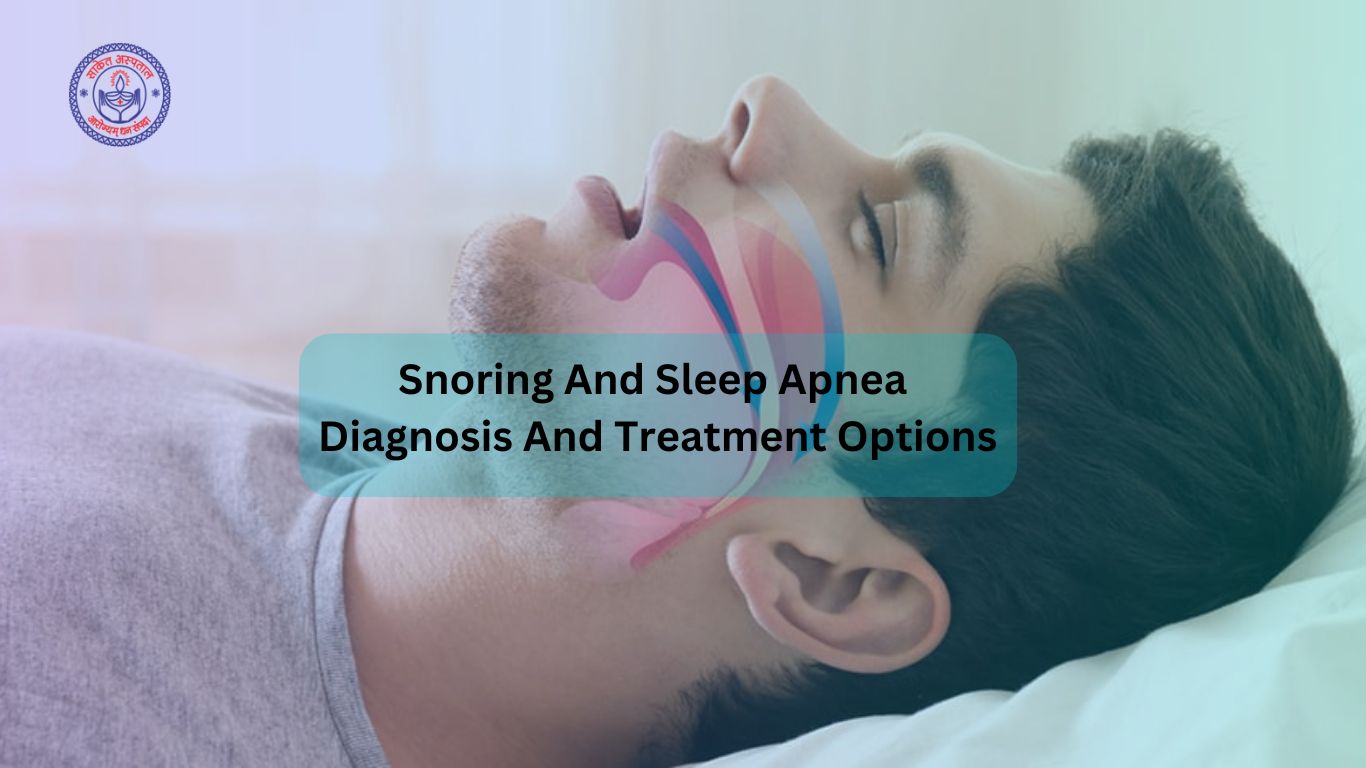
Snoring is a common condition that affects many people at some point in their lives. Many see snoring as a minor annoyance. But, it can signal a serious health issue. Sleep apnea is the name of this issue. At Saket Hospital, our team of experts includes the best general physicians in Jaipur. They offer complete diagnosis and treatment for snoring and sleep apnea. Our goal is to ensure you get a good night’s sleep and stay healthy. Understanding Snoring and Sleep Apnea Snoring happens when the flow of air through the mouth and nose is partly blocked. This happens during sleep. This obstruction causes the nearby tissues to vibrate. This makes the familiar sound of snoring. It’s also caused by obesity, alcohol, a stuffy nose, and back-sleeping. They all cause snoring. But it’s a serious sleep disorder. Repeated interruptions in breathing during sleep characterize it. They call these interruptions apneas. They can last from a few seconds to a minute and may occur dozens of times per hour. The most common type of sleep apnea is obstructive sleep apnea (OSA). It occurs when the throat muscles fail to keep the airway open. Symptoms and Risks Common symptoms of sleep apnea include: Loud snoring Gasping or choking during sleep. Excessive daytime sleepiness. Morning headaches Difficulty concentrating Irritability If untreated, sleep apnea can lead to severe health problems. These include high blood pressure, heart disease, stroke, and diabetes. It also raises the risk of accidents due to daytime drowsiness. Thus, it’s crucial to seek medical attention if you or a loved one exhibits symptoms of sleep apnea. Diagnosis Our experienced team of general physicians nearby at Saket Hospital in Jaipur. They use modern diagnostic tools to diagnose snoring and sleep apnea. The diagnostic process includes: We will check your symptoms, lifestyle, and health history. Sleep Study (Polysomnography) is the gold standard for diagnosing sleep apnea. You stay overnight at a sleep center. They watch functions like brain activity, eye movements, heart rate, and breathing. Healthcare providers may recommend some patients to take a home sleep apnea test. Use a portable device at home to watch your sleep, breathing patterns, and oxygen levels. Treatment Options At Saket Hospital, we’ve offer many treatment options. We tailor them to fit the severity of your condition and your needs. These include: For mild snoring and sleep apnea, lifestyle changes work well. These may include losing weight. Also, it’s best to avoid alcohol and sedatives. And quitting smoking. And changing sleep positions. CPAP is the most common and best treatment for severe sleep apnea. It is also effective for moderate cases. It involves wearing a mask over your nose or mouth while you sleep. A machine connects the mask, delivering a steady stream of air to keep your airway open. Oral Appliances are custom-made devices. They help keep the airway open by moving the jaw and tongue. They’re very helpful for patients with mild to moderate sleep apnea. These patients can’t tolerate CPAP. Surgical options include uvulopalatopharyngoplasty (UPPP). It removes excess throat tissue. There is also maxillomandibular advancement (MMA). It repositions the jaw. Positional Therapy For patients whose sleep apnea is position-dependent, positional therapy can help. This involves using devices that encourage sleeping on the side rather than on the back. Why choose Saket Hospital? At Saket Hospital, we’ve pride ourselves on being home to the best general physicians in Jaipur. Our team dedicates itself to providing personalized care. We use the latest technology and treatments to ensure the best outcomes for our patients. You may need a general physician near you for a routine check-up. Or, you may need specialized care for sleep disorders. It’s here to help. We understand the impact that sleep apnea can have on your quality of life and health. Our diverse approach ensures that you receive full care. It covers from diagnosis to treatment and follow-up. Don’t let snoring or sleep apnea disrupt your life any longer. Contact Saket Hospital today to schedule a meeting with our expert team. It’s the first step toward better sleep and better health.
The summer sun is hot. He’s at the top. The risk of heat-related illnesses such as heatstroke is a serious concern. Excessive heat is a serious problem. High body temperature indicates this. It usually occurs at high temperatures for long periods. Or through physical activity during the heat. If you are in Jaipur, Saket Hospital offers the best care. A General physician in Jaipur can tell you this. They can give you tips on how to stay safe during the warmer months. Let’s look at some ways to protect yourself from the heat. Stay Hydrated Water is your best friend when it comes to preventing heatstroke. During heat, the body loses more water through sweat. It’s important to compensate for this loss. Try to drink 8-10 glasses a day. Drink more when doing outdoor activities. Water-rich fruits and vegetables can also provide good hydration. Watermelon, bananas, oranges, and strawberries are good choices. Coconut water is another good option. Rich in electrolytes. They help preserve body fluids. Wear appropriate clothing. Clothing can make a big difference in the way your body uses heat. Prefer loose, light-colored, and lightweight clothing. Plain clothing, such as cotton and linen, are breathable and help keep your body cool. Avoid dark-colored clothing, as it absorbs more heat. A wide-brimmed sun hat can protect you from the hot sun. Using an umbrella can also provide much-needed shade when you’re out in the sun. Avoid peak sun hours. The sun is usually at its strongest between 10 AM and 4 PM. If possible, try to stay indoors during these hours. If you need to be outside, take frequent breaks in the shade or indoors where it’s cooler. Use natural cooling techniques. There are several natural ways to cool down your body. Applying a cold, wet cloth to your forehead, neck, and wrists can help lower your body temperature. Taking a cool shower or bath can also be very effective. Fans and air conditioning are great. But, if you don’t have them, placing bowls of ice in front of fans can mimic their cooling effect. Eat. Heavy meals can raise your body temperature. They can make you feel more uncomfortable in the heat. Opt for lighter meals that are easy to digest. Fresh salads, fruits, and smoothies are excellent options. Spicy foods may seem counterintuitive. But, they can also help by making you sweat more. This sweat cools the body as it evaporates. Acclimate to the heat. If you know you will be spending a lot of time in a hot place, try to let your body acclimate. Start with a short period of time in the heat and increase the time as your body gets used to it. This helps build tolerance and reduce the risk of heatstroke. Recognize the signs. Understanding and recognizing the early signs of heat stroke can be lifesaving. If you or someone else shows these symptoms, you must get medical help right away. In Jaipur, you can consult with a general physician near you. For example, at Saket Hospital. They can give tailored insights and preventive measures for your health. Saket Hospital: Your Partner in Health Saket Hospital is known for its excellent medical care. Medical experts are used. You may need regular check-ups or special treatment. The best general physician in Jaipur are here to guide you. They help you stay healthy, especially during the hot summer months. I specialize in diagnosing and treating heat-related conditions. This provides better reception. Conclusion Preventing heat stroke involves a few things. You need to stay hydrated and wear the right clothes. Also, avoid peak sun hours and use natural cooling methods. You should eat light meals and get used to the heat. Recognizing the signs of heat stroke and acting can save lives. For personalized advice and great healthcare, consider visiting a general physician near you. They work at Saket Hospital in Jaipur. Stay cool, stay hydrated, and enjoy a safe summer!
ENT Disorders and Their Management: Expertise at Saket Hospital Otolaryngology, also called ENT, is a specialized branch of medicine. It deals with diagnosing and treating disorders of these critical organs. ENT disorders can affect a person’s quality of life. They cause discomfort, pain, and, in severe cases, more health problems. At Saket Hospital in Jaipur, we pride ourselves on offering top-notch ENT care. It’s supported by a team of the best ENT specialists in Jaipur. Common ENT disorders 1. Ear infections are common in children. They can cause pain, fever, and hearing issues. Ongoing ear infections can prompt hearing loss in the event that not managed. Infections, age, or loud noises cause hearing loss. It’s important to get speedy treatment to prevent permanent damage. 2.Sinusitis is an irritation of the sinuses. It’s frequently brought about by diseases or allergies. Symptoms include nasal congestion, facial pain, and headaches. Chronic sinusitis can influence everyday exercises and wellbeing. 3. Tonsillitis is the inflammation of the tonsils. It is usually caused by bacterial or viral infections. It’s a condition that causes a sore throat, difficulty swallowing, and a fever. In recurrent cases, the doctor may recommend a tonsillectomy. 4. Sleep apnea is a serious condition. Breathing stops and starts during sleep. It’s often associated with loud snoring and daytime fatigue. Untreated sleep apnea can lead to cardiovascular problems and other health issues. 5. Allergies cause allergic reactions in the ENT region. This includes hay fever or allergic rhinitis. They can cause sneezing, itching, and congestion. Managing these allergies is crucial for maintaining a good quality of life. Diagnosis and Management at Saket Hospital At Saket Hospital, our approach to managing ENT disorders is comprehensive and patient-centered. Here’s how we ensure the best care for our patients: Advanced Diagnostic Tools We’ve utilized state-of-the-art diagnostic tools to identify ENT disorders. We use audiometry tests, nasal endoscopy, and imaging studies. These include CT scans and MRIs. They are part of our diagnostic arsenal. They ensure we identify the problem. Expert ENT Specialists. Our team has some of the best ENT doctors in Jaipur. They have a wealth of experience and expertise. They have skills in managing both medical and surgical ENT conditions. They ensure that patients get the best care. Personalized Treatment Plans Every patient is unique, and so is their treatment plan. Our ENT specialists develop personalized plans. These may include medication, lifestyle changes, and, if needed, surgery. This tailored approach ensures the best outcomes for our patients. Invasive Surgery For conditions requiring surgical intervention, we’ve offered invasive options. Doctors perform procedures like endoscopic sinus surgery, tympanoplasty, and tonsillectomy with precision. This minimizes recovery time and discomfort. Why choose Saket Hospital? 1. The ENT specialists at Saket Hospital have experience. They have a reputation for their expertise and compassion. They are the best ENT doctors in Jaipur. They’re known for giving top-quality treatment that fits each patient’s needs. 2. We offer a full range of ENT services. These include diagnosis, treatment, and follow-up care. It could be a simple ear infection or a complex sinus surgery. Our patients get complete care under one roof. 3. Patient-Centered Approach Our commitment to patient care goes beyond medical treatment. We focus on patient education. We ensure that people understand their condition and treatment options. This empowers patients to make informed decisions about their health. 4. Saket Hospital has cutting-edge technology. It has the latest medical tools. They make diagnoses more accurate and treatments more effective. We’ve designed our facilities to provide high-quality care. They do so in a comfortable setting. Conclusion ENT disorders are common. They can impact a person’s life if not managed well. At Saket Hospital in Jaipur, our team of expert ENT specialists dedicate themselves. They dedicate themselves to providing the best care. They use advanced tools for diagnosis and personalized treatment plans. We are the best ENT doctors in Jaipur. We commit to enhancing the lives of our patients. We do this through care that is complete and kind. You or a loved one has symptoms related to ear, nose, or throat disorders. Don’t hesitate to seek help from our experts at Saket Hospital. We’ve got a patient-centered approach and cutting-edge technology. We’re here to give you the best ENT care in Jaipur. For appointments or more information, contact Saket Hospital today. Take the first step towards better ENT health.
The sun is a key part of our lives. It offers benefits like making vitamin D and improving mood. Yet, long and unprotected exposure to the sun’s UV rays can cause skin damage. It can also cause premature aging and increase the risk of skin cancer. Saket Hospital is the best dermatology hospital in Jaipur. It commits to educating the community on protecting their skin from sun damage. Understanding sun damage. Sun damage occurs when UV rays penetrate the skin, causing harm to its cells. There are two main types of UV rays: UVA rays go deep into the skin. They cause early aging and long-term damage. UVB rays affect the skin’s surface. They cause sunburn and play a big part in causing skin cancer. Tips to Protect Your Skin from Sun Damage Use sunscreen regularly. Using sunscreen is vital for skin protection. Pick one with SPF 30 or higher. It should be broad-spectrum, guarding against UVA and UVB rays. Apply it to all exposed skin 15 minutes before heading out. Every two hours or after swimming. Also, mold thrives in damp conditions. It often results from excess moisture due to breathing or sweating. Wear protective clothing. Clothes can block UV rays. Choose long-sleeve shirts, pants, and wide-brim hats. Tight-weave fabrics offer more protection. Also, some designers add UPF ratings. These show how well the clothes block UV rays. Seek Shade The sun’s rays are strongest between 10 a.m. and 4 p.m. During these hours, try to stay in the shade as much as possible. This can reduce your exposure to harmful UV rays. Wear Sunglasses UV rays can also damage your eyes and the sensitive skin around them. Wear sunglasses that offer 100% UV protection. They shield your eyes from harm and reduce the risk of cataracts and other eye problems. Avoid tanning beds. Tanning beds emit UV radiation that can cause skin damage and increase the risk of skin cancer. It’s best to avoid them. Choose safer options, like self-tanning products, for a tan. Be extra cautious around reflective surfaces. Water, sand, snow, and concrete can reflect UV rays, increasing your exposure. Be cautious around these surfaces. Wear extra protective clothing and put on extra sunscreen. Stay Hydrated Sun exposure can dehydrate your skin. Drink plenty of water throughout the day. It’s going to keep your skin hydrated and maintain its barrier. Check your skin regularly. Regular self-examinations can help you find early signs of skin damage or cancer. Look for new moles or changes in old ones. Consult a dermatologist if you see anything suspicious. Choosing the right sunscreen is crucial for protecting your skin from the sun’s harmful rays. Selecting the right sunscreen can be overwhelming, given the many options available. SPF Rating: Choose an SPF of 30 or higher. Broad-spectrum: Ensure the sunscreen offers protection against both UVA and UVB rays. Water-Resistant: If you’re swimming or sweating, opt for water-resistant sunscreens. Ingredients are important: For sensitive skin, choose sunscreens with physical blockers. These include zinc oxide or titanium dioxide. The role of a dermatologist. Regular visits to a dermatologist are crucial. They help maintain healthy skin and prevent sun damage. Saket Hospital has earned recognition as the best dermatologist hospital in Jaipur. Our experts offer complete skin care services. These include skin cancer screenings, treatments for sun-damaged skin, and personalized skincare advice. Are you looking for it’s the best dermatologist hospital near me? Or do you need professional guidance? Our team is here to help you achieve healthy skin. Conclusion You must protect your skin from sun damage. This is vital for keeping it healthy and its appearance. Follow the tips above. They will let you enjoy the sun and reduce the risk of skin damage. Remember, it’s a daily commitment. Adding these practices to your routine will pay off in the long run. For expert advice and skin care services, visit Saket Hospital. It’s the best Dermatologist Hospital in Jaipur. Our dedicated team of dermatologists is here to give you the best care. They will ensure your skin stays healthy and vibrant. Don’t wait until it’s too late. Take action now to protect your skin from the harmful sun.
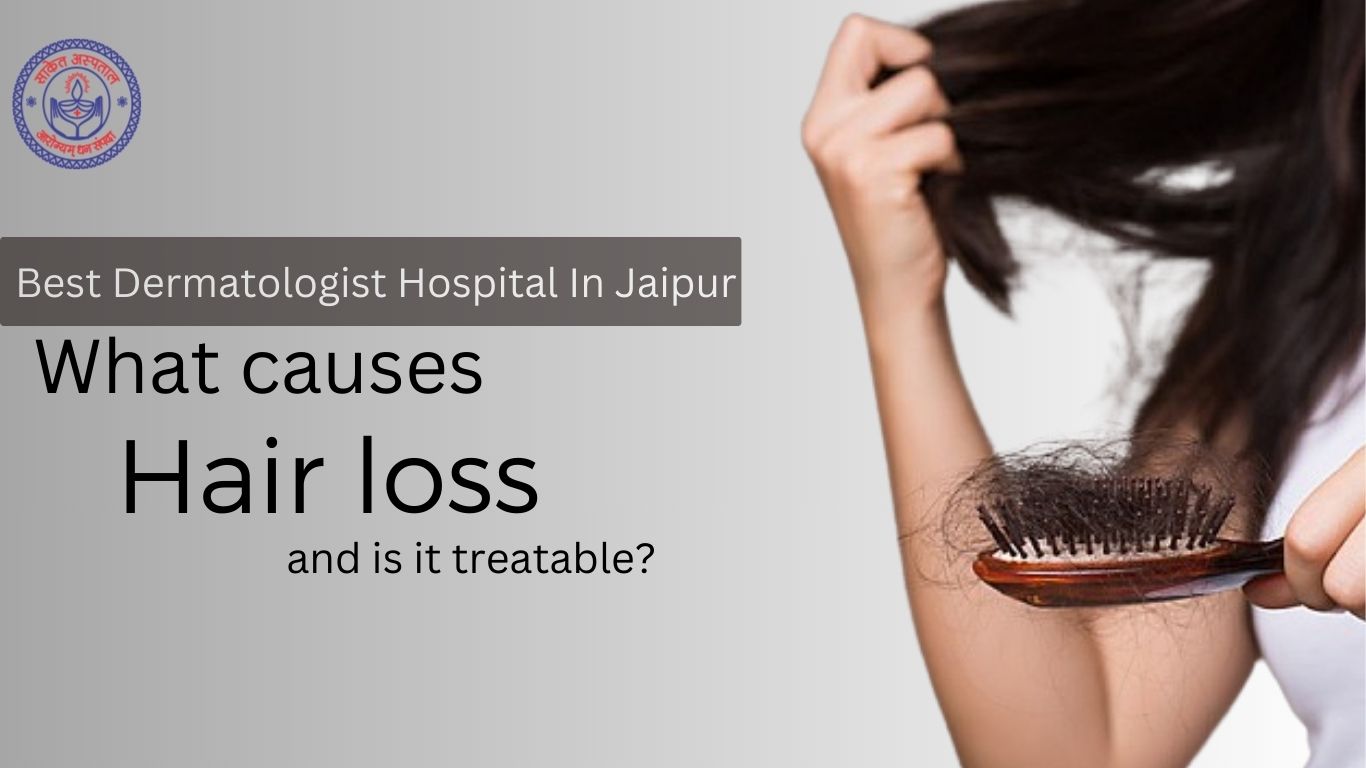
Understanding Hair Loss: Causes and Treatments Hair loss is a common concern. It affects millions of people worldwide. It harms their confidence and self-esteem. Understanding the causes of hair loss. Also, exploring the available treatments can help people take proactive steps. They can use these steps to manage this condition. This blog covers the main causes of hair loss. It also discusses the available treatments. Additionally, we’ll highlight the best dermatologist hospital in Jaipur. It’s for those seeking expert care. Causes of Hair Loss Hair loss, or alopecia, can occur for a variety of reasons. Here are the most common causes: Hair loss is usually due to genetics. Androgenetic alopecia is the term for this condition. This type of hair loss affects both men and women. It’s often called male-pattern baldness or female-pattern baldness. Hormonal changes cause imbalances. They are due to conditions like thyroid disorders, pregnancy, and menopause. They are also due to polycystic ovary syndrome (PCOS). They can cause hair loss. Certain medical conditions can cause hair loss. These include alopecia areata. It’s an autoimmune disease that attacks hair follicles. Also, there are scalp infections and other skin disorders. Certain medications can cause hair loss. These include drugs for cancer, arthritis, depression, heart problems, and high blood pressure. Treatments like chemotherapy and radiation therapy also lead to hair loss. Nutritional deficiencies cause hair thinning and loss. They come from a diet lacking in nutrients like iron, protein, and vitamins. Stress can trigger hair loss, known as telogen effluvium. In it, hair follicles enter a resting phase and fall out more. Hair styling and treatments can damage hair. This can happen from too many hair styling products, heat, and chemicals. This damage can cause it to fall out. Is hair loss treatable? The good news is that many types of hair loss are treatable. The effectiveness of treatment depends on the underlying cause. Here are some common treatments: Medications: Minoxidil is an over-the-counter treatment. It’s able to stimulate hair growth and slow down hair loss. Finasteride is a prescription pill for men. It can reduce hair loss. It promotes hair regrowth by blocking the hormone that causes hair thinning. Therapies: Platelet-Rich Plasma (PRP) Therapy involves injecting the patient’s own platelets into the scalp. This promotes hair growth. Laser Therapy: Low-level laser therapy can stimulate hair follicles and encourage hair growth. Surgical Options: Hair Transplant Surgery moves hair follicles from one part of the body to balding areas of the scalp. Scalp Reduction is a procedure where they remove parts of the bald scalp. They’ve stretched the hair-bearing scalp to replace it. Lifestyle and Home Remedies: Balanced Diet: Ensuring a diet rich in essential nutrients can improve hair’s health. Stress Management: Techniques like meditation, yoga, and exercise can reduce stress-related hair loss. Hair Care: Use gentle practices. Avoid harsh treatments and use mild shampoos. They’ve can prevent further damage. Best Dermatologist Hospital in Jaipur For those seeking the best care for hair loss in Jaipur, Saket Hospital stands out as a premier choice. Saket Hospital has gained a reputation for its modern facilities and skilled dermatologists. It offers many tests and treatments for hair and skin conditions. The hospital has the latest technology. It follows advanced treatment protocols to ensure the best patient outcomes. You may have genetic hair loss or hormonal imbalances. Or, you may have other underlying conditions. The dermatology department at Saket Hospital offers personalized care tailored to your needs. The team includes some of Jaipur’s best dermatologists. They’re dedicated to helping patients regain confidence and achieve healthy hair growth. Conclusion Losing hair can be distressing. Yet, knowing its causes and trying effective treatments can help a lot. You can treat hair loss with drugs, therapies, surgery, and lifestyle changes. If you are in Jaipur and looking for the best dermatological care, Saket Hospital is a great choice. It offers top-notch services and expert care. Remember, treating hair loss early can lead to better outcomes. So, seek professional advice and act to protect and restore your hair.
Dry skin is persistent and uncomfortable. It affects many people, regardless of age or lifestyle. It can cause itching, flakiness, and even cracks in severe cases. You need a comprehensive approach to manage dry skin. This includes a proper skincare routine and lifestyle changes. If you have dry skin, the best dermatologist in Jaipur works at Saket Hospital. He has some invaluable advice. It will help you get smoother, more hydrated skin. Understanding Dry Skin Dry skin, also known as xerosis, occurs when the skin doesn’t keep enough moisture. This can be due to many reasons. These include things like cold or dry weather. Also, hot showers and harsh soaps can cause it. So can some medical conditions, like eczema or psoriasis. Age is also a significant factor; as we get older, our skin produces less oil, making it more prone to dryness. Tips to Manage Dry Skin Use a gentle cleanser. Harsh soaps strip the skin of its natural oils, making dryness worse. Opt for a gentle, fragrance-free cleanser that maintains the skin’s pH balance. The best dermatologist in Jaipur recommends avoiding cleansers with alcohol. They can be very drying. Moisturize Keeping the skin moisturized is crucial. Use a rich, oil-based moisturizer after bathing, while your skin is still damp, to lock in moisture. Look for ingredients like hyaluronic acid, glycerin, and ceramides. They are famous for their hydrating properties. For people with very dry skin, the best dermatologist near me suggests using an ointment or cream. These are better at sealing in moisture than lotions. Avoid hot showers. They might feel good, but they can strip your skin of oils, leading to dryness. Instead, take lukewarm showers and limit them to 10 minutes or less. After showering, pat your skin dry with a towel. Then, apply moisturizer. Invest in a humidifier. Indoor heating in winter reduces humidity, leading to dry skin. Using a humidifier can add moisture back into the air, helping to keep your skin hydrated. Place the humidifier in your bedroom to enjoy it while you sleep. Choose the Right Fabrics Certain fabrics can irritate dry skin. Stick to soft, breathable materials like cotton. Avoid wearing wool or synthetics against your skin. When you wash your clothes, use a detergent for sensitive skin. This will prevent further irritation. Stay Hydrated Hydration starts from within. Drinking plenty of water throughout the day can help keep your skin hydrated. Aim for at least eight glasses of water each day. Consider drinking more if you’re in a dry place or if you’re active. Protect Your Skin Protecting your skin from harsh weather conditions is essential. In cold weather, wear gloves and scarves to shield your skin from the wind. During the summer, use broad-spectrum sunscreen. It should have at least SPF 30. This will protect against harmful UV rays, which can dry the skin. Avoid Harsh Skin Care Products Be mindful of the skincare products you use. Avoid those with alcohol, fake fragrances, and other harsh chemicals. They can dry out your skin. Instead, choose products with natural moisturizing ingredients. These include aloe vera, shea butter, and jojoba oil. Consult a Dermatologist. If your dry skin persists despite your best efforts, it might be time to consult a professional. The best dermatologist in Jaipur works at Saket Hospital. They can give you personalized advice and treatment options tailored to your needs. They can also find if an underlying condition is causing your dry skin. Then, they can recommend the right treatments. Advanced Treatments for Dry Skin For chronic or severe dry skin, more advanced treatments might be necessary. Some of these include: Prescription moisturizers often have more hydrating ingredients. They can be more effective than over-the-counter options. For inflamed or itchy areas, a dermatologist might prescribe a topical steroid. It reduces inflammation and irritation. Light Therapy, also called phototherapy, uses ultraviolet light. It reduces symptoms of dry skin, especially for conditions like eczema or psoriasis. Conclusion You manage dry skin with proper skincare. You also need lifestyle changes and sometimes professional help. Follow the tips from the best dermatologist in Jaipur at Saket Hospital. Doing so can improve your skin. It will make it feel better and look healthier. Remember, everyone’s skin is different, so it might take some time to find the routine that works best for you. If you need personalized advice or advanced treatments, don’t hesitate to seek help. Ask a qualified dermatologist. They should be near you. You may have mild dryness or more severe conditions. Taking proactive steps can help. They will help you achieve smoother, more hydrated skin. By doing these practices daily, you can manage dry skin well. You can also enjoy healthier skin all year.
As we journey through life, our bodies meet time’s gentle whispers. Our joints bear witness to every step we take. This happens amidst the laughter, the trials, and the triumphs. They are the silent guardians of our mobility. They support us through every dance, walk, and embrace. Yet, as the years pass, it becomes more crucial to tend to these faithful companions well. They deserve care. Saket Hospital lies in the heart of bustling Saket. It is a sanctuary dedicated to the preservation of these vital connections. Hope thrives within its walls. It’s a beacon for those seeking to safeguard their joints. here, among a tapestry of expertise and compassion, individuals find solace. They know that dedicated people work at the best orthopedic hospital near You. They care for their well-being. The journey towards nurturing healthy joints begins with understanding. As every story is unique, so too are the needs of our bodies. At Saket Hospital, the journey starts with a kind embrace. Specialists take the time to listen and understand. They tailor a roadmap to joint health for each patient. Education stands at the forefront of this journey. They have knowledge. They embark on a voyage of empowerment. They learn about joint health and the value of proactive care. Each nugget of wisdom is a beacon. It guides us to a vibrant life with a balanced diet and regular exercise. Physical activity emerges as a cornerstone in the fortress of joint health. As the gentle rhythm of life unfolds, so too does the importance of staying active. We can keep our joints supple and resilient through yoga. Or, through the rhythmic cadence of a morning stroll. Movement breathes life into them. But, life’s ups and downs can bring discomfort. At Saket Hospital, people find comfort and know they are not alone. A team of orthopedic specialists is always ready to help. They offer both empathy and expertise. Then, they guide each person toward recovery and renewal. Caring for joint health goes beyond the body. It includes our whole being. Mindfulness is a gentle companion. It weaves calm into our days. Through mindfulness, people cultivate deep awareness. They listen to their bodies and honor their needs with kindness. Nutrition emerges as another cornerstone in the temple of joint health. as a garden thrives with nourishment. So do our bodies when fed with wholesome food. At Saket Hospital, people discover the power of nutrition. Experts there offer guidance. They help craft a diet rich in vital nutrients for joint health. As the sun sets on another day, gratitude illuminates the horizon. We are grateful for the journey and the lessons learned. We are also thankful for the gift of mobility. It whispers through our top orthopedic hospital near you. Saket Hospital has touched many lives. They are countless stories of resilience and renewal that grace its halls. In the heart of Saket, life bustles. There, lies a haven. It dedicates to nurturing joint health and fostering vitality. Here at Saket Hospital, people learn that the journey to healthy joints is not a destination. It is a sacred dance, full of compassion, wisdom, and the gentle embrace of care. In every step we take, may we find solace. We nurture our joints with the most love and care. In the tapestry of life, our joints are pillars. They support us through every twist, every joy, and every sorrow. This journey unfolds with grace within the walls of Saket Hospital. Orthopedic specialists, dedicated to the art of healing, guide it.