

Important Heart Attack Symptoms to Look Out for: Don’t Ignore the Signs
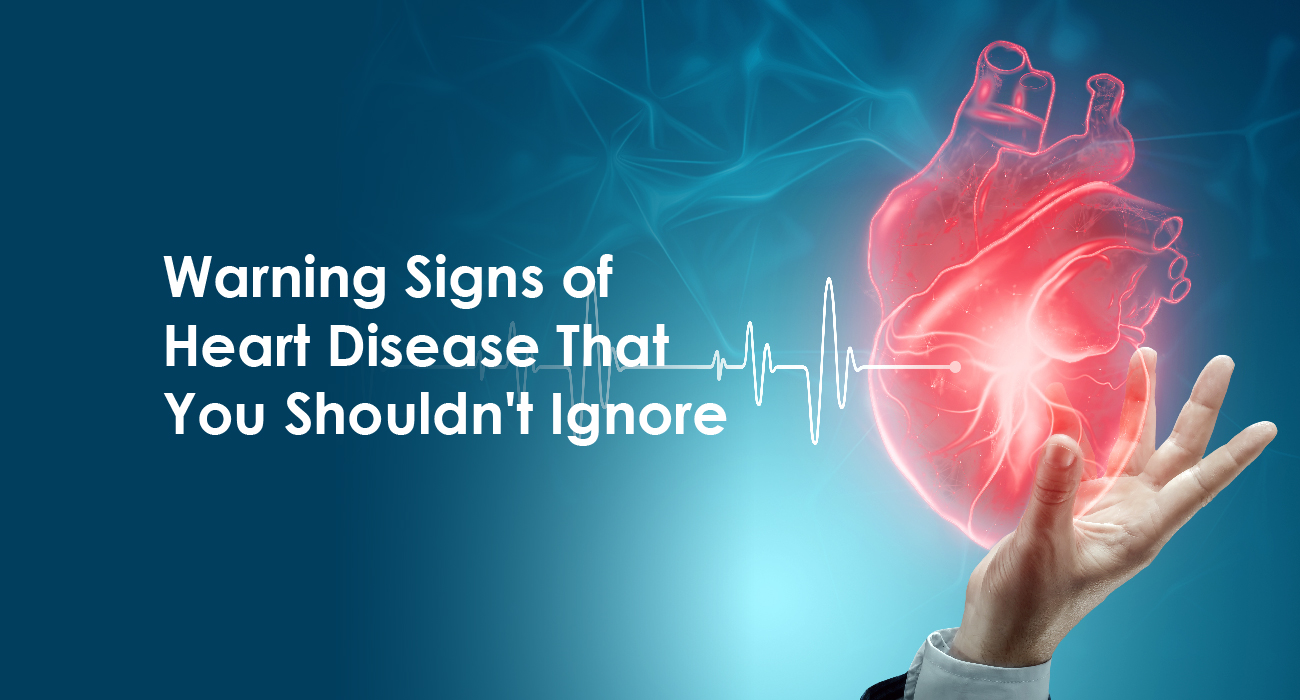
A heart attack is a medical emergency that occurs when blood flow to the heart muscle is suddenly blocked. This blockage can be caused by a buildup of plaque (atherosclerosis) in the coronary arteries, which supply blood to the heart. When blood flow is restricted, the heart muscle begins to die due to lack of oxygen. Recognizing the warning signs of a heart attack is crucial. Prompt medical attention can significantly improve the chances of survival and minimize heart damage. This blog will explore the common symptoms of a heart attack, emphasizing the importance of recognizing these signs seeking immediate medical help, and finding the heart specialist in Jaipur.
What is a Heart Attack?
A Heart Attack occurs when blood flow to a part of the heart is blocked usually due to plaque in the coronary arteries. This blockage prevents oxygen-rich blood from reaching the heart muscle, leading to tissue damage or death if not treated promptly.
Common Heart Attack Symptoms
- Chest Pain or Discomfort: This is the most common symptom. It can feel like:
- Pressure: A heavyweight or tightness in the chest.
- Squeezing: Like a vise is gripping the chest.
- Pain: A sharp, stabbing pain.
- Aching: A dull, uncomfortable feeling.
Pain in Other Parts of the Body: The chest pain may radiate to other areas, including:
- Arms: Often the left arm, but can also affect both arms.
- Jaw: Pain or discomfort in the jaw, teeth, or neck.
- Back: Pain or discomfort between the shoulder blades.
- Abdomen: Upper abdominal pain or discomfort.
Shortness of Breath
Difficulty breathing, even at rest.
- Cold Sweat: Feeling clammy and sweaty, even without exertion.
- Nausea and Vomiting: Feeling sick to your stomach or vomiting.
- Lightheadedness or Dizziness: Feeling faint or losing balance.
- Weakness: Sudden weakness or fatigue.
- Irregular Heartbeat: Feeling like your heart is fluttering or beating irregularly.
Important Note:
- Women may experience different symptoms than men: Women are more likely to experience atypical symptoms such as shortness of breath, fatigue, nausea, and back or jaw pain.
- Some people may experience no chest pain at all: This is particularly common in older adults, people with diabetes, and women.
- When to Seek Immediate Medical Attention
If you experience any of these symptoms, call emergency services immediately (dial 911 or your local emergency number). Do not attempt to drive yourself to the hospital.
Remember
- Time is critical during a heart attack. Every minute counts. Early medical intervention can significantly improve the chances of survival and minimize heart damage.
- Don’t ignore any unusual or concerning symptoms. If you’re unsure whether you’re experiencing a heart attack, err on the side of caution and seek medical attention.
- Know your family history. A family history of heart disease increases your risk of heart attack.
Prevention
- Maintain a healthy lifestyle: Eat a balanced diet, exercise regularly, and maintain a healthy weight.
- Quit smoking: Smoking significantly increases the risk of heart disease.
- Manage risk factors: Control high blood pressure, high cholesterol, and diabetes.
- See your doctor for regular checkups: Regular checkups can help identify and manage risk factors. Find a cardiologist in Jaipur who will suggest a better treatment.
Conclusion
Heart attacks are serious medical emergencies, but knowing the symptoms can save lives. Be vigilant about chest pain, shortness of breath, fatigue, and other signs, especially if you have risk factors for heart disease. If you or someone you know experiences potential heart attack symptoms, act quickly and seek immediate medical attention with the best cardiology hospital Remember, every second counts, and early treatment can prevent serious complications and improve outcomes.


